🛒 Best Price Today on Amazon
Prime members get fast, free shipping on everything above, plus member-only deals. New members get a 30-day free trial — cancel anytime.
- What Does a Modem Look Like?
- What Does a Router Look Like?
- Modem vs Router: The Easiest Visual Differences
- What Does a Modem Actually Do?
- What Does a Router Actually Do?
- How a Modem and Router Connect Together
- What Does a Modem-Router Combo Look Like?
- Why the Difference Matters for Gaming
- Where Should the Modem and Router Be Placed?
- What Does a Gaming Router Look Like?
- What Do Mesh Routers Look Like?
- How to Tell Which Device You Have
- Conclusion
A modem and a router can look similar because both are often small boxes with status lights and network ports, but their physical features usually reveal what each device does. A modem connects your home to the internet service, while a router distributes that connection to your PC, phone, console, and other devices.
What Does a Modem Look Like?
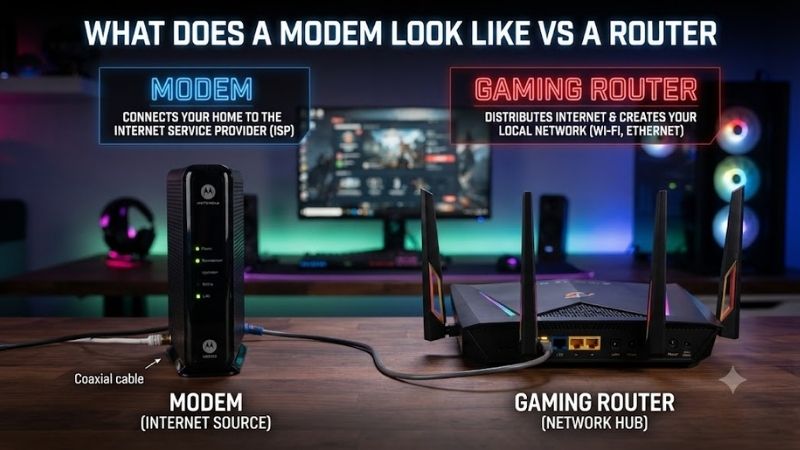
A typical modem is a compact rectangular box with fewer ports and lights than a router. Cable modems usually have one coaxial connector, one or more Ethernet ports, a power socket, and status LEDs. DSL modems often include a phone-line port, while fiber setups may use a separate optical network terminal instead.
What Does a Router Look Like?
Routers usually look busier because they manage several local devices at once. Many have multiple Ethernet LAN ports, one WAN or internet port, Wi-Fi antennas, USB ports, and several indicator lights. Some modern mesh routers hide the antennas inside a clean tower or puck-shaped enclosure, so appearance varies widely.
Modem vs Router: The Easiest Visual Differences
The easiest visual clue is the internet-service connector. A cable modem normally has a round threaded coaxial jack, while a DSL modem uses a smaller phone-style port. A router usually does not have either connector. Instead, it receives internet through an Ethernet WAN port connected to the modem or fiber terminal.
External antennas are another common clue. Standalone modems rarely need large Wi-Fi antennas because their main job is translating the ISP signal into Ethernet. Wireless routers often include two, four, six, or more antennas, although premium and mesh models may place them inside the case to create a cleaner appearance.
Port labels can identify the device even when the design is confusing. Modems usually have a port marked Ethernet or LAN that connects toward the router. Routers commonly include a differently colored port labeled WAN or Internet, followed by several numbered LAN ports intended for desktops, consoles, switches, and other wired devices.
Indicator lights also provide useful clues. A modem often has lights labeled Power, Downstream, Upstream, Online, and Ethernet. A router may show Power, Internet, 2.4 GHz, 5 GHz, 6 GHz, LAN, or WPS. Exact labels differ by manufacturer, but modem lights focus on the ISP link while router lights focus on local networking.
What Does a Modem Actually Do?
A modem’s job is to establish communication with your internet provider. On a cable connection, it handles the DOCSIS link between the provider’s coaxial network and your local Ethernet connection. On DSL, the modem communicates over telephone wiring. Fiber often replaces the traditional modem with an optical network terminal.
What Does a Router Actually Do?
A router works after that internet connection already exists. It creates the local network inside your home, assigns local IP addresses, directs traffic between devices, and sends internet data toward the modem or fiber terminal. Wireless routers also provide Wi-Fi, which is why gaming PCs, phones, TVs, and consoles can connect without cables.
How a Modem and Router Connect Together
The simplest setup therefore has two boxes. The modem connects to the wall outlet supplied by the ISP, and an Ethernet cable runs from the modem to the router’s WAN port. Your gaming PC can then connect to a LAN port on the router, while mobile devices and other hardware connect over Wi-Fi throughout the home.
What Does a Modem-Router Combo Look Like?
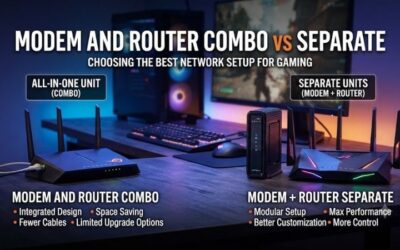
Some homes only have one box because modem-router combos combine both functions. These gateways usually include the ISP connector, several Ethernet ports, and Wi-Fi antennas or internal radios in one enclosure. Cable companies frequently supply this type of device because it reduces the number of components customers need to install.
A modem-router combo can be identified by its mixed connections. If the same box has a coaxial or DSL input, multiple LAN ports, and Wi-Fi indicators, it is probably performing both roles. In that case, you do not need a separate router unless you want stronger Wi-Fi coverage, advanced gaming controls, or more networking features.
Why the Difference Matters for Gaming
For gaming, knowing which box is which matters when troubleshooting latency or connection problems. If the modem loses its online connection, every device in the home normally loses internet access. If the router has a Wi-Fi or LAN problem, the modem may remain connected to the ISP even though your gaming devices cannot reach it properly.
A wired gaming PC should normally connect to the router rather than directly to the modem. The router provides local addressing, firewall functions, and connections for multiple devices. Direct modem-to-PC connections can work in some setups, but they remove the normal home-network layer and may require restarting the modem when changing devices.
Where Should the Modem and Router Be Placed?
Placement is more important for a router than a modem. A modem can usually sit close to the cable, DSL, or fiber entry point as long as it stays ventilated. A Wi-Fi router benefits from a central, elevated, and open position because walls, cabinets, metal objects, and distance can weaken the wireless signal reaching gaming devices.
What Does a Gaming Router Look Like?
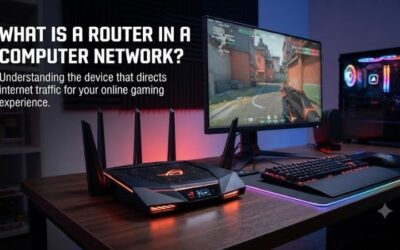
Gaming routers often look more aggressive than ordinary home routers. They may have large external antennas, angular cases, ventilation openings, RGB lighting, and many multi-gig Ethernet ports. These design choices make a router easy to recognize, but they are not required for low latency; software, port speeds, and network conditions matter more.
What Do Mesh Routers Look Like?
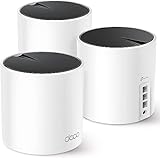
Modern mesh Wi-Fi systems can make identification harder because each node may look like a small cylinder, cube, or puck with no visible antennas. One mesh unit usually connects to the modem or optical terminal by Ethernet and acts as the main router, while additional nodes extend wireless coverage throughout the home.
How to Tell Which Device You Have
If you are unsure which device you have, follow the cables. The box connected directly to the coaxial, phone, or fiber service line is the modem, ONT, or gateway. The device connected to that box by Ethernet and then connected to your PCs, consoles, switches, or Wi-Fi devices is the router in a typical home network.
Conclusion
A modem connects your home to the ISP, while a router connects your devices to one another and shares the internet connection. The modem usually has the service-line connector and fewer network ports; the router usually has a WAN port, multiple LAN ports, and Wi-Fi hardware. A combo gateway simply puts both functions into one box.