- Top Pick: iBUYPOWER Element SE Gaming PC Desktop Computer AMD Ryzen 5 8400F CPU, NVIDIA GeForce RTX 3050 6GB GPU, 16GB DDR5 RAM, 1TB NVMe SSD, Windows 11 Home, Gamer Keyboard and Mouse – ESA5N3501
- Best Value: iBUYPOWER Element Gaming PC Desktop Computer AMD Ryzen 9 7900X CPU, NVIDIA GeForce RTX 5070 12GB GPU, 32GB DDR5 RAM, 1TB NVMe SSD, Windows 11 Home, Gamer Keyboard and Mouse – EWA9N5702
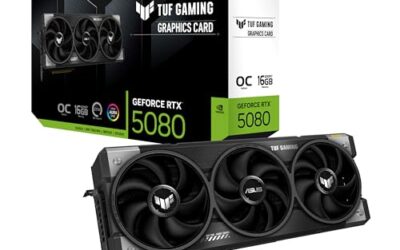
- Premium Choice: ZOTAC MEK Gaming PC Desktop, NVIDIA GeForce RTX 5080 Apocalypse OC 16GB GDDR7, AMD Ryzen 7 9800X3D Up to 5.2GHz, 32GB DDR5, 2TB NVMe SSD, 850W Gold PSU, WiFi 6E, Bluetooth 5.3, Windows 11 Pro, White
Choosing between an NVIDIA and an AMD graphics card is the biggest single decision in any gaming build, and in 2026 both companies make cards worth your money. NVIDIA leads on features like advanced upscaling, frame generation, and ray tracing, while AMD counters with more raw memory and rasterization performance per dollar. The best pick depends on which games you play, whether you care about ray tracing, and how much you want to spend.
This comparison lays out how NVIDIA and AMD GPUs differ where it counts for gamers, from feature sets to value, using current cards and prebuilt systems as reference points. By the end you will know which brand fits your priorities and budget.
As an Amazon Associate we earn from qualifying purchases at no extra cost to you.




⚡ Save on Your Next PC — Amazon Prime
Prime members get fast free shipping on the systems above, plus early access to Prime Day & Black Friday PC deals. New members get a 30-day free trial.
Watch: NVIDIA vs AMD GPUs in 2026 — Video Review
Quick Verdict
NVIDIA is the choice if you want the best ray tracing, the most mature upscaling and frame generation, and top-tier features for streaming and content creation. AMD is the value play, typically offering more VRAM and stronger traditional rasterization for the price, ideal if you prioritize high frame rates in standard rendering over ray-traced eye candy.
Key Differences
- Ray tracing: NVIDIA holds a clear lead in ray-tracing performance, so RT-heavy games favor its cards.
- Upscaling and frame gen: NVIDIA’s DLSS ecosystem is the most refined, though AMD’s FSR has improved substantially.
- VRAM per dollar: AMD often provides more memory at a given price, useful for high-resolution textures.
- Rasterization value: AMD frequently delivers more traditional rendering performance per dollar.
- Content creation: NVIDIA’s NVENC encoder and broad software support benefit streamers and editors.
- Efficiency: Both have efficient and power-hungry cards; check the specific model rather than assuming by brand.
The Case for NVIDIA
NVIDIA’s advantage is its feature stack. Its cards lead in ray tracing, and the DLSS suite with frame generation is the most polished way to boost frame rates while keeping image quality high. Prebuilt systems like the iBUYPOWER Element pairing a Ryzen chip with an RTX 5070, or the ZOTAC MEK with an RTX 5080, show how NVIDIA GPUs anchor high-end gaming rigs.
For anyone who streams or creates content, NVIDIA’s NVENC hardware encoder and wide application support are meaningful extras. If you play games with heavy ray tracing or want the most future-proof feature set, NVIDIA is the safer pick.
The Case for AMD
AMD competes hard on value and raw rasterization. Its cards frequently ship with more VRAM at a given price, which helps at higher resolutions and with detailed texture packs. In traditional rendering, an AMD card often matches or beats a similarly priced NVIDIA one, delivering more frames per dollar in games that do not lean on ray tracing.
Systems built around AMD Ryzen processors paired with capable GPUs show the platform’s cost-effectiveness. If you want high frame rates in standard rendering and care less about ray tracing, AMD stretches your budget further.
Which Should You Buy?
- Choose NVIDIA for the best ray tracing and the most refined upscaling and frame generation.
- Choose NVIDIA if you stream or create content and value NVENC and software support.
- Choose AMD for more VRAM and stronger rasterization per dollar.
- Choose AMD if you prioritize raw frame rates over ray-traced visuals.
- Match either card to a quality PSU with the correct connectors before buying.
Frequently Asked Questions
Is NVIDIA or AMD better for ray tracing?
NVIDIA holds a clear lead in ray-tracing performance in 2026. If you play RT-heavy titles and want them to run smoothly, NVIDIA is the stronger choice.
Does AMD offer better value?
Often yes, particularly in traditional rasterization and VRAM per dollar. AMD tends to give more raw rendering performance and memory at a given price point.
How much VRAM do I need in 2026?
Aim for 12GB or more for 1440p and higher, since modern textures and ray tracing can exceed 8GB. AMD often provides generous VRAM at competitive prices.
Is DLSS or FSR better?
NVIDIA’s DLSS is generally the more mature and higher-quality upscaler, though AMD’s FSR has closed much of the gap and works across a wider range of hardware.
Final Verdict
Both NVIDIA and AMD make excellent gaming GPUs in 2026, so the winner depends on your priorities. Pick NVIDIA for leading ray tracing, the best upscaling, and content-creation features. Pick AMD for more VRAM and stronger rasterization value. Decide how much ray tracing matters to you, weigh your budget, and either brand will serve you well.