- Top Pick: Prebuilt Gaming PC Desktop, Intel Core i5 up to 3.6GHz, R7 350 4G GDDR5
- Best Value: Blackout Computers Gaming PC Intel 12th Gen 16GB DDR5 AMD RX580 8GB 1TB SSD
- Premium Choice: NIMO 15.6" IPS FHD-Light Gaming-Laptop,AMD Ryzen 5 6600H 16GB DDR5 RAM 256GB SSD (Beat i5-1335U, 6 Cores Up to 4.5GHz) AMD Radeon 660M GPU-Computer with 100W Type-C Backlit Keyboard Fingerprint
The Intel versus AMD debate has powered PC gaming arguments for decades, and in 2026 it is closer and more interesting than ever. AMD’s X3D chips with stacked cache have redefined gaming performance, while Intel counters with strong hybrid designs and aggressive pricing. For most gamers the honest answer is that both make excellent processors, and the right choice depends on your budget, your platform plans, and what else you do besides gaming.
This comparison breaks down how Intel and AMD stack up specifically for gaming this year, cutting through the tribalism to focus on frame rates, value, platform longevity, and real buying advice. Whether you are eyeing a prebuilt or picking a chip for a fresh build, here is what actually matters.
As an Amazon Associate we earn from qualifying purchases at no extra cost to you.


⚡ Save on Your Next PC — Amazon Prime
Prime members get fast free shipping on the systems above, plus early access to Prime Day & Black Friday PC deals. New members get a 30-day free trial.
Watch: Intel vs AMD for Gaming in 2026 — Video Review
Quick Verdict
For pure gaming, AMD’s X3D processors currently hold the frame-rate crown thanks to their huge cache, and AM5 gives a longer upgrade path. Intel remains highly competitive on value and in mixed workloads, often costing less for similar real-world gaming feel. Choose AMD for maximum gaming performance and future upgrades, Intel for value and all-round versatility.
Key Differences
- Gaming performance: AMD X3D chips lead in most games due to stacked 3D cache that keeps game data close to the cores.
- Platform longevity: AMD’s AM5 socket promises support for future chip generations, while Intel tends to change sockets more often.
- Value: Intel frequently undercuts AMD at similar performance tiers, and its chips pair with cheaper motherboards.
- Productivity: Intel’s high core counts shine in mixed workloads, though AMD’s non-X3D chips also do well here.
- Power and heat: AMD’s X3D chips run efficiently, while some high-end Intel parts draw more power under heavy load.
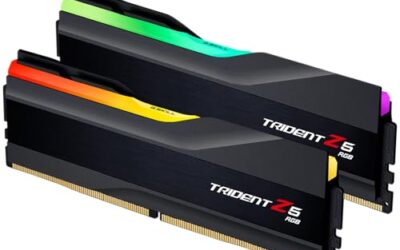
- Memory: Both use DDR5 on current platforms, and AMD in particular benefits noticeably from fast, tuned RAM.
The Case for AMD
AMD’s headline advantage is gaming frame rate. The X3D line stacks extra cache directly on the CPU, and games love it, delivering chart-topping performance especially at 1080p and 1440p where the CPU matters most. Systems like the Blackout Computers build pairing a modern AMD chip with an RX 580 or the AVGPC rigs built around Ryzen show how flexible the platform is across budgets.
Beyond raw speed, AM5 is a long-term bet. AMD has committed to supporting the socket across multiple generations, so a board bought today can likely host a much faster chip in a few years. That upgrade path, plus strong efficiency, makes AMD the enthusiast’s pick for a gaming-first build.
The Case for Intel
Intel’s strength is delivering excellent gaming at a friendlier price. Prebuilt systems like the ones built around the Core i5-14400F show how Intel pairs strong gaming performance with affordable motherboards, stretching a budget further. In many titles the real-world difference between a good Intel chip and a pricier AMD one is smaller than benchmarks suggest.
Intel also excels if you do more than game. Its high core counts handle streaming, editing, and heavy multitasking well, making it a versatile all-rounder for someone whose PC pulls double duty as a workstation.
Which Should You Buy?
- Choose AMD if maximum gaming frame rate is your priority, especially at 1080p or 1440p.
- Choose AMD if you want a long upgrade path on the AM5 socket.
- Choose Intel if you want the best gaming value and cheaper motherboards.
- Choose Intel if your PC also handles heavy productivity or you multitask constantly.
- Either way, pair the chip with fast DDR5 RAM, which AMD in particular rewards.
Frequently Asked Questions
Is AMD really better than Intel for gaming?
In 2026 AMD’s X3D chips lead most gaming benchmarks, but Intel is close and often cheaper. For many players the practical difference is small, so budget and platform plans matter more.
Does the CPU matter more at 1080p or 4K?
The CPU matters most at lower resolutions like 1080p where frame rates are high. At 4K the GPU becomes the bottleneck and the CPU choice matters less.
Will an AM5 board support future chips?
AMD has committed to supporting AM5 across multiple generations, so a board bought now should host future processors, giving AMD an upgrade-path advantage over Intel’s shorter socket lifespans.
Do I need an X3D chip to game well?
No. Standard AMD and Intel chips game excellently. X3D parts simply top the charts; a good non-X3D chip still delivers a fantastic experience for far less.
Final Verdict
Both Intel and AMD build gaming CPUs worth owning in 2026. If you want the fastest frames and the longest upgrade runway, AMD’s X3D chips on AM5 are the enthusiast’s choice. If you want superb gaming for less money or a versatile do-everything machine, Intel delivers outstanding value. Decide based on your budget and workload, and you cannot go wrong either way.