- Top Pick: NIMO Gaming Laptop 15.6", AMD Ryzen 7 7735HS (Boost 4.75GHz), 16GB DDR5 RAM, 512GB PCIe 4.0 SSD, Windows 11 Home, 1080P FHD Display, Backlit Keyboard, 100W PD Fast Charge, 2X Full-Function USB-C
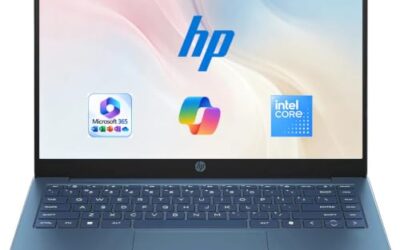
- Best Value: MOONFISH 2026 Laptop Computer Window 11, Core i5 Processor 15.6 Inch Lap Top, 16GB RAM 512GB SSD, Backlit Keyboard, FHD 1920 * 1080, Office 365, Business, Student
- Premium Choice: EXCaliberPC [2025] ASUS ROG Strix Scar 16 G635LX-DS96 (Intel Ultra 9 275HX, 32GB RAM, 1TB NVMe SSD, NVIDIA GeForce RTX 5090, 16" 240Hz Mini LED, Windows 11) Gaming Laptop
Shopping for a gaming laptop in 2026 means wading through a flood of listings that all promise “ultimate performance” while burying the specs that actually matter — GPU tier, display refresh rate, thermal design, and whether you’re paying for gaming power or just a laptop with RGB lighting.
- Watch: Best Windows Gaming Laptop — Video Review
- How to Choose a Windows Gaming Laptop (2026)
- The Best Windows Gaming Laptop (2026)s Reviewed
- What to Look For in a Windows Gaming Laptop
- Which One Should You Buy?
- Common Mistakes When Buying a Windows Gaming Laptop
- Quick Spec Sanity Check
- Related Guides
- Frequently Asked Questions
- Final Thoughts
- Related Articles
This guide breaks down six current Windows gaming laptops spanning entry-level to flagship, explains what to prioritize based on your budget and game library, and reviews the top picks so you can match a machine to your actual needs instead of overpaying for specs you won’t use.



As an Amazon Associate we earn from qualifying purchases at no extra cost to you.




🎮 Get More From Your Setup — Free
Prime Gaming gives you free PC games every month, in-game loot, and a free Twitch channel sub — plus fast free shipping on all the gear above. New members get a 30-day free trial.
Watch: Best Windows Gaming Laptop — Video Review
How to Choose a Windows Gaming Laptop (2026)
- GPU tier: The graphics card determines what you can actually play at good frame rates — prioritize it over CPU speed or RAM for gaming performance.
- Display refresh rate: 144Hz or higher makes fast-paced games noticeably smoother; 60Hz panels are fine for casual or turn-based titles only.
- RAM and storage: 16GB RAM is the practical minimum for modern games; a 512GB+ SSD avoids constant file management as game installs grow.
- Cooling and build: Sustained gaming generates heat, so check for dedicated cooling systems, especially in thinner or budget chassis prone to throttling.
- Ports and charging: USB-C with power delivery, enough USB-A ports, and HDMI output matter more day-to-day than most buyers expect.
The Best Windows Gaming Laptop (2026)s Reviewed
NIMO 15.6″ Ryzen 7 Gaming Laptop
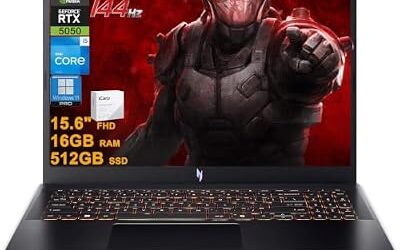
The Ryzen 7 7735HS and 16GB of DDR5 RAM give this NIMO a genuine performance edge for its class, and the 100W PD fast charge with dual USB-C ports adds real convenience for anyone who travels with their setup.
MOONFISH 2026 Core i5 Laptop
This is less a gaming laptop and more a capable all-rounder — the Core i5 and included Office 365 make it a solid pick for students or light gamers who also need reliable productivity performance.
EXCaliberPC ASUS ROG Strix Scar 16
With an Intel Ultra 9 275HX, RTX 5090, and a 240Hz Mini LED display, this is a no-compromise flagship built for buyers who want top-tier frame rates at high settings and don’t want to think about upgrading for years.
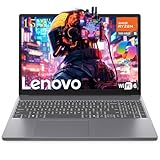
Lenovo 15 Ryzen 5 Gaming Laptop
A budget-friendly entry point with a Ryzen 5 7535HS, though the 8GB RAM and 256GB SSD are tight for modern titles — best suited to esports games or as a starter machine you’ll upgrade later.
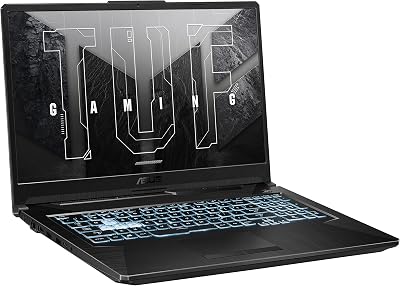
NIMO 17.3″ Light Gaming Laptop
The larger 17.3″ screen paired with the same Ryzen 7 7735HS and a roomier 1TB SSD makes this a strong choice for buyers who want more screen real estate and storage without stepping up to a discrete high-end GPU tier.
What to Look For in a Windows Gaming Laptop
The Graphics Chip Matters More Than the Processor
Frame rates in games depend mainly on the GPU. Current RTX 50-series laptop chips are commonly listed with 8GB of video memory on the RTX 5060 and RTX 5070 tiers, while higher tiers carry more. Eight gigabytes is workable at 1080p and 1440p, but some recent games at high texture settings can exceed it. Older RTX 4050 laptops generally carry 6GB. Also look for wording like “integrated graphics” or a processor with a U suffix and no named graphics card, since such a system will not play modern games the way a discrete-GPU machine does.
Power Limits Explain Why Two Identical Chips Perform Differently
A laptop GPU is rated for a range of wattage, and each maker picks a point inside it. Thin machines run the chip at a lower limit than thick ones, so an RTX 5070 in a slim chassis can trail the same chip in a larger body. Intel HX processors target higher sustained power than H-class chips, which is why a Core Ultra 9 275HX system and a Core Ultra 9 285H system suit different workloads. Look for the maker to publish the graphics power rating, and for a MUX switch that lets the display connect directly to the GPU.
Memory, Storage, and Upgrade Paths
Sixteen gigabytes of RAM is the practical minimum for modern games, and it should run in dual-channel mode. DDR5 outpaces DDR4 in the same configuration, so DDR4 listings usually belong to older platforms. A 1TB NVMe drive fills quickly with current game installs, so look for a second M.2 slot or easy drive replacement. Single-channel memory in a laptop with integrated graphics can cut frame rates noticeably.
Display and Cooling
For competitive titles, 144Hz or higher at 1080p or 1440p is preferable. A 16-inch 16:10 panel gives extra vertical space for productivity. Cooling quality shows up in sustained clocks, so look at multi-fan designs with vapor chambers and read independent thermal measurements before buying.
Which One Should You Buy?
| If you… | Choose… |
|---|---|
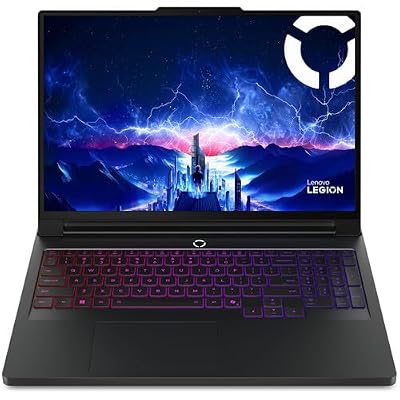
| Want maximum performance and a full-power processor class for gaming and creative work | Lenovo Legion Pro 7i Gen 10 or EXCaliberPC ASUS ROG Strix Scar 16 |
| Want a 16-inch machine with a current RTX 5070 and a modern Intel Ultra processor | HP OMEN 16 |
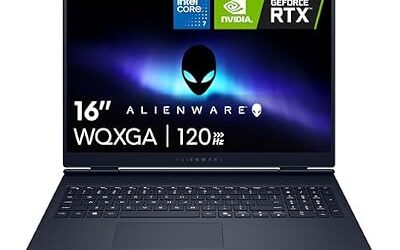
| Want a Dell design with a 16-inch WQXGA display | Dell Alienware 16 Aurora |
| Want a large 17.3-inch 144Hz screen from an older but proven line | ASUS TUF Gaming A17 (2023) |
| Need a lower-cost Ryzen laptop with a gaming focus | NIMO 15.6 Ryzen 7 Gaming Laptop or Lenovo 15 Ryzen 5 Gaming Laptop |
| Mostly play light titles and handle school or office work | MOONFISH 2026 Core i5 Laptop or jumper 2026 Gaming Laptop |
For the four lower-cost models at the end of that table, confirm on the listing which graphics chip is installed. Those entries are best treated as general-purpose laptops with light gaming ability unless a discrete GPU is named.
Common Mistakes When Buying a Windows Gaming Laptop
- Believing the year in the title. A “2026” label describes the listing, not necessarily the chip generation. Check the processor and GPU model names.
- Ignoring weight and battery. Gaming laptops run best plugged in, and the power adapter is part of what you carry.
- Buying the cheapest RAM configuration without a plan. Upgrading later is only easy if the memory is socketed rather than soldered.
- Overlooking ports. Count the USB-C, HDMI, and Ethernet ports if you plan to use an external monitor and wired network.
- Skipping warranty terms. Gaming laptops see heavy thermal stress, so confirm how long coverage lasts and whether the seller or manufacturer handles repairs.
Quick Spec Sanity Check
Before you buy, read three lines on any listing: the named GPU, the memory type, and the processor suffix. If any of the three is missing, treat the gaming claim with caution, and compare against a model that publishes all of them.
Related Guides
- Extension Screen Laptop (2026)
- 11.6 Inch Vs 14 Inch Laptop: Full Comparison (2026)
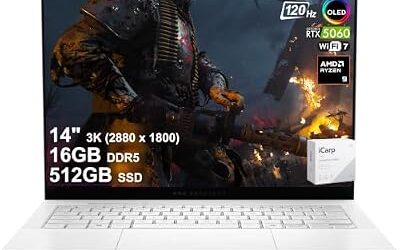
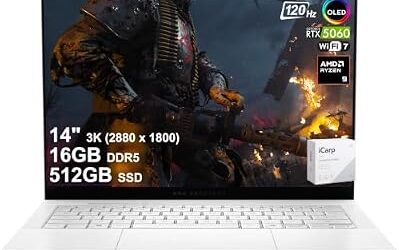
- HP Omen Transcend 14 120Hz 3k OLED Gaming Laptop (2026)
- Best Economical Laptop For Gaming (2026)
- Best Gaming Laptops With The Best Battery Life (2026)
Frequently Asked Questions
Do I need a discrete GPU for gaming in 2026?
For anything beyond light or older titles, yes — integrated graphics still struggle with modern AAA games at playable frame rates, so a dedicated GPU remains the single biggest factor in gaming performance.
How much RAM do I actually need?
16GB is the realistic minimum for current games and multitasking; 8GB machines can run into slowdowns with newer titles and background applications running simultaneously.
Is a 240Hz display worth the extra cost?
It matters most for competitive, fast-paced games where every frame counts; casual or story-driven gamers often won’t notice much difference over a good 144Hz panel.
Can a budget gaming laptop still play modern games?
Yes, but expect to lower settings and resolution — budget machines handle esports titles and older games well, while demanding new releases will need more headroom to stay smooth.
Final Thoughts
For most buyers, the NIMO 15.6″ Ryzen 7 offers the best balance of gaming performance and value, while the EXCaliberPC ASUS ROG Strix Scar 16 is the clear pick for anyone chasing top-tier, no-compromise performance. Buyers wanting extra screen size and storage without an ultra-premium price should look to the NIMO 17.3″ Light Gaming Laptop.