🛒 Best Price Today on Amazon
Prime members get fast, free shipping on everything above, plus member-only deals. New members get a 30-day free trial — cancel anytime.
A podcast microphone has one job that a general-purpose headset mic cannot do: make a single voice sound present, steady and free of the room around it, hour after hour. Under 200 dollars you are well past the point where a bundled earbud mic is acceptable, and into the range where a proper desktop USB or hybrid USB/XLR microphone is within reach. The question is which kind of mic suits the space you actually record in.
This guide is for solo hosts, co-hosting pairs sharing a desk, streamers who also publish an audio show, and anyone building a first home setup without a mixer. The six picks below mix condenser and dynamic designs, plug-and-play USB and XLR-ready hybrids, and a few bundles with stands or boom arms. Wireless clip-on lavalier mics aimed at phone video were left out, since they are a different tool from a desktop podcast mic. Your 2026 choice mostly comes down to room noise and upgrade plans.
Quick Picks

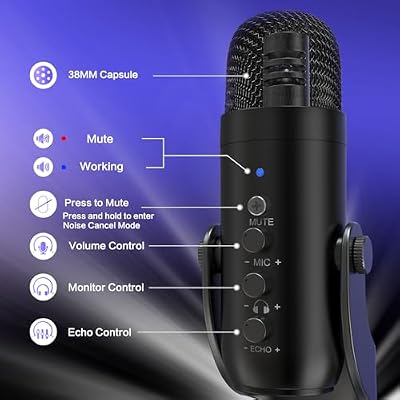
ZealSound Podcast Microphone for PC, Noise Cancellation USB Mic with Gain, Volume Adjustment & Mute Button, Monitoring & Echo, for YouTube, TikTok, Podcasting, Streaming, iPhone, iPad, Android, Mac




As an Amazon Associate we earn from qualifying purchases. Product prices and availability are accurate as of the date/time indicated.

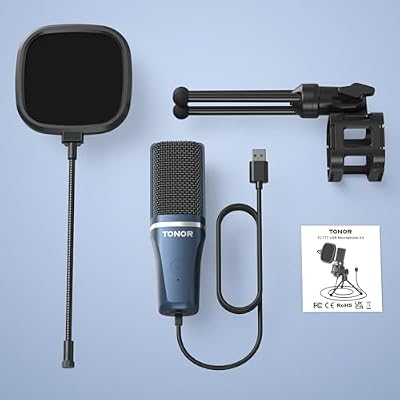
TONOR Podcast Microphone, USB Computer Mic, Cardioid Condenser PC Mic | Mic with Tripod Stand and Pop Filter for Podcasting, Streaming, Vocal Recording, for PC & Laptop, 180 cm/70inch Cable, TC777


As an Amazon Associate we earn from qualifying purchases. Product prices and availability are accurate as of the date/time indicated.

FIFINE AmpliGame AM8 USB/XLR Dynamic Microphone for Gaming Streaming | Podcast Mic with RGB Light, Mute Button, Headphones Jack, Desktop Stand, for Vocal Recording Singing YouTube


As an Amazon Associate we earn from qualifying purchases. Product prices and availability are accurate as of the date/time indicated.

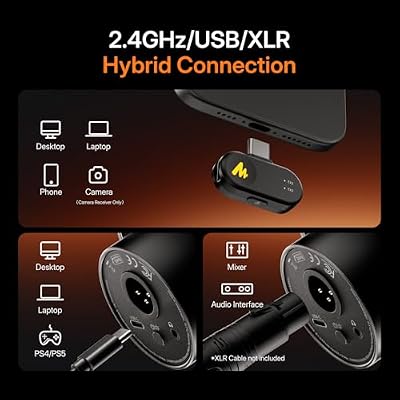
MAONO PD200W Hybrid Wireless Podcast Microphone for PC, Dynamic XLR USB Mic | Desktop Stand Mic with Software, Noise Cancellation, for Vocal Recording, Streaming, Content Creation, Home Studio, Voiceover



As an Amazon Associate we earn from qualifying purchases. Product prices and availability are accurate as of the date/time indicated.
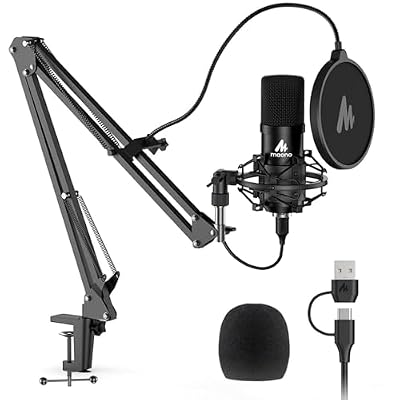
MAONO A04 USB Microphone, 192kHz/24Bit Condenser Mic Kit for PC Podcast | Plug & Play Computer Cardioid Metal Mic with Pro Sound Chipset for Recording, Gaming, Content Creation, Streaming, YouTube


As an Amazon Associate we earn from qualifying purchases. Product prices and availability are accurate as of the date/time indicated.

FIFINE AmpliTank K688CT Podcast Microphone Kit, USB/XLR Dynamic Vocal Mic | Streaming Mic with Boom Arm for PC/XLR Mixer, with Mute Button, Headphone Jack, Gain Knob, for Gaming Voice-Over Recording


As an Amazon Associate we earn from qualifying purchases. Product prices and availability are accurate as of the date/time indicated.
| Product | Best for | Key spec from the listing |
|---|---|---|
| ZealSound USB podcast mic | Simple setups needing on-mic control | USB, noise cancellation, gain and volume controls, mute button |
| TONOR podcast mic kit | Quiet rooms and a ready-to-use bundle | Cardioid condenser, tripod stand, pop filter |
| FIFINE AmpliGame AM8 | Streamers who want RGB and monitoring | USB/XLR dynamic, headphone jack, mute button, RGB light |
| MAONO PD200W | Mixed wireless and wired workflows | Hybrid wireless, dynamic, XLR and USB, software |
| MAONO A04 | Detail-focused recording in a treated space | 192kHz/24Bit condenser, cardioid, metal body |
| FIFINE AmpliTank K688CT | Boom-arm desks that may add a mixer | USB/XLR dynamic, boom arm, mute button, headphone output |
How to Choose
Pick dynamic or condenser based on your room
Dynamic microphones reject distant sound well and forgive untreated rooms, which makes them the safer pick for a bedroom, a kitchen table or a desk beside a PC fan. Condensers capture more detail and room tone, which is wonderful in a quiet, treated space and unflattering in a bare one. If you hear traffic, keyboard clatter or echo on a sample recording, lean dynamic. If your room is soft with curtains, rugs and shelves, a condenser can sound fuller.
Decide whether you want USB, XLR, or both
USB is the shortest path: plug in, pick the device, record. XLR connects to an interface or mixer and leaves the door open for future gear. Hybrid USB/XLR models give you both, which suits anyone who might add a second host or a mixer later. If you only ever plan to record straight to a laptop, a USB-only mic costs less and has fewer parts to learn, and that is a legitimate choice.
Look for the controls you will touch daily
A physical mute button saves embarrassing moments on live shows. A headphone jack on the mic lets you monitor yourself with zero delay, which is much easier on the ear than hearing your voice returned through the computer. Gain and volume knobs matter when you move between talking close and leaning back. A pop filter, stand or boom arm saves buying them later, so a bundle can be better value than a bare mic.
Skip meaningless numbers and focus on the setup
Sample rate figures like 192kHz are largely a spec sheet flourish for spoken word, since podcasts do not need that fidelity. Pickup pattern, mic type and where it sits relative to your mouth matter far more. Budget mics most often cut corners on included stands, cable quality and software polish, so check what is in the box. Keep the microphone a hand-width or two from your mouth, and treat anything with high gain and no pop filter as a source of harsh plosives.
The 6 Best Options
ZealSound USB Podcast Microphone
ZealSound packs the controls podcasters tend to want onto the body: a gain adjustment, volume adjustment, a mute button, and monitoring with an echo setting. The listing frames it for YouTube, TikTok and podcasts on a PC, with noise cancellation as the headline feature. For a beginner who wants to hear levels change as soon as a knob turns, that layout (physical controls, no menus) is the main appeal, and it keeps the learning curve short for a first show.
- Strength: gain, volume and mute controls are physically on the mic for quick adjustment.
- Strength: monitoring support helps you hear your own voice without PC lag.
- Trade-off: the title does not state the capsule type or pickup pattern, so room noise handling is unclear.
Skip it if you want an XLR upgrade path, a bundled stand, or a clearly stated condenser or dynamic design that tells you how it will handle a noisy room.
TONOR Podcast Microphone Kit
TONOR sells a ready-to-record kit. The listing names a cardioid condenser capsule, a USB connection, a tripod stand and a pop filter, which together mean you can plug in and start recording without buying anything else. For a first-time host working from a quiet spare room, that all-in-one approach removes the guesswork about which accessories to pair with the mic.
- Strength: the cardioid pattern focuses on sound directly in front of the mic.
- Strength: the included pop filter and stand mean a complete setup out of the box.
- Trade-off: a condenser in an untreated room will pick up more echo and background noise than a dynamic would.
Skip it if your recording space is noisy or echoey, or if you plan to move to XLR gear, since the listing describes a USB-style connection and does not mention an XLR output for later expansion.
FIFINE AmpliGame AM8
The AM8 is a dynamic mic aimed at streamers and gamers who also want to record voice. Its listing highlights USB and XLR outputs, an RGB light, a mute button, a headphone jack and a desktop stand. That blend appeals to creators who also stream, because the same microphone covers a live session and an edited weekly episode without a second purchase.
- Strength: USB/XLR output gives it room to grow from a laptop to an interface.
- Strength: the dynamic design suits untreated rooms and louder desks.
- Trade-off: the RGB light is a cosmetic extra and a non-factor for an audio-only show.
Skip it if you want a pop filter or boom arm in the box, since the listing names only the desktop stand, and a separate arm would add to the total cost of the setup.
MAONO PD200W Hybrid Wireless Podcast Microphone
This is the most flexible model in the group. The listing describes a hybrid wireless podcast microphone with a dynamic capsule, XLR and USB connectivity, noise cancellation, a desktop stand and software. That mix suggests it fits desktop recording and some freedom from cables. A host who moves between a studio corner and a living-room couch, or who sometimes records with a guest, gets room to adapt without changing microphones.
- Strength: wireless and wired options in one mic cover different recording habits.
- Strength: a dynamic capsule with included software handles noisy rooms and offers some tuning.
- Trade-off: more features mean more setup, and the wireless side adds a battery and receiver to manage.
Skip it if you want the simplest plug-and-play mic and no software to configure.
MAONO A04 USB Microphone
The A04 is the detail-oriented condenser. The listing names a 192kHz/24Bit rating, a cardioid pattern, a metal body, a pro sound chipset and plug-and-play USB use with a kit for podcasting. It suits a quiet home studio where the goal is a clean, close-up voice without a lot of tweaking.
- Strength: a cardioid condenser can capture voice detail in a quiet, soft-furnished room.
- Strength: the metal body and kit approach add a sturdier feel than plastic competitors.
- Trade-off: condensers hear the room, so noise and echo are more audible than with a dynamic.
Skip it if your desk sits near a fan, window or street, or if you want XLR connectivity. The sample-rate figure on the listing is also not a reason to buy on its own, since speech does not need that resolution.
FIFINE AmpliTank K688CT Podcast Kit
The K688CT is a bundle with a boom arm. The listing names a USB/XLR dynamic vocal microphone, a boom arm, a mute button and headphone monitoring, in a form aimed at PC use or an XLR mixer. That makes it the logical pick for a host who already suspects a second microphone or a small mixer is coming within the next year.
- Strength: the boom arm frees desk space and lets you position the mic close to your mouth.
- Strength: USB/XLR output works with a laptop now and a mixer later.
- Trade-off: a boom arm needs a desk edge for clamping and extra setup time.
Skip it if you have a thin desk, a monitor wall or want a mic you can pick up and move between rooms without re-clamping an arm each time.
Which One Fits Your Situation
You record in a bedroom or shared apartment
Go dynamic. The FIFINE AmpliTank K688CT or the AmpliGame AM8 both list dynamic designs with USB and XLR outputs, so they handle ambient noise while leaving room for a future mixer.
Your space is quiet and soft
The TONOR kit and MAONO A04 are the condenser picks. The TONOR adds a stand and pop filter in the bundle, while the A04 leans on its 192kHz/24Bit rating and metal build.
You co-host or record on the move
The MAONO PD200W is the hybrid choice, combining wireless operation with XLR and USB for flexibility in different setups.
You want quick controls and no extra gear
The ZealSound mic puts gain, volume and mute on the body, which suits a streamer who adjusts levels mid-show and does not want to dig through software.
Common Mistakes
- Buying a condenser for a noisy room and then trying to fix the echo in editing software.
- Chasing sample rate numbers instead of pickup pattern, mic type and placement.
- Skipping a pop filter, which leaves hard consonants spiking on every episode.
- Placing the mic too far away, then raising gain until the background hiss appears.
- Assuming a USB-only model can later feed a mixer, when only XLR-capable hybrids can.
Related guides
- Logitech G Pro X 2 Vs Steelseries Arctis Nova Pro Wireless
- Travel Controller Case For 8Bitdo Ultimate Series
- Gaming Pc Under 600 For Roblox And Minecraft
Frequently Asked Questions
Is a USB microphone good enough for a podcast?
For a solo or small show, yes. USB models are simple to use, and hybrid ones leave the door open for XLR gear later.
Should I choose a dynamic or a condenser mic?
Dynamic suits noisy or untreated rooms, while condenser favors quiet, soft spaces. If you are unsure, dynamic is the safer starting point.
Do I need a pop filter and boom arm?
A pop filter helps with plosives, and a boom arm helps with desk space and placement. Kits that include them save you from buying separately.
Can I use these mics for streaming and gaming too?
Yes. Several listings mention streaming, mute buttons and headphone jacks, which are useful for live use as well as recorded episodes.
Top picks from this guide
FIFINEFIFINE AmpliTank K688CT Podcast Microphone Kit, USB/XLR Dynamic Vocal Mic…MAONOMAONO PD200W Hybrid Wireless Podcast Microphone for PC, Dynamic XLR…MAONOMAONO A04 USB Microphone, 192kHz/24Bit Condenser Mic Kit for PC…ZealSoundZealSound Podcast Microphone for PC, Noise Cancellation USB Mic with…