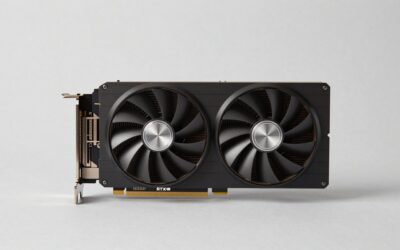
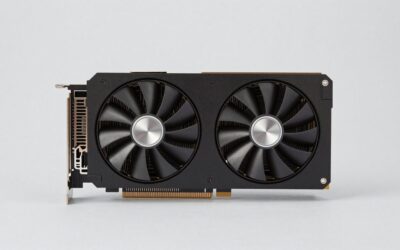
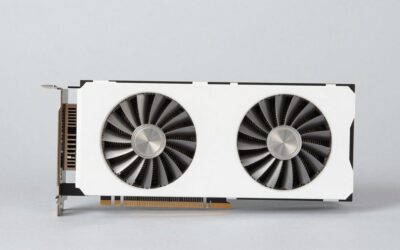
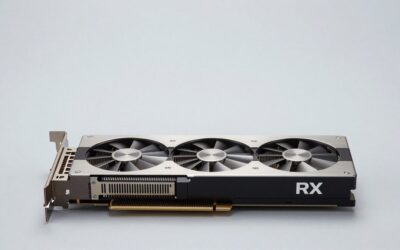
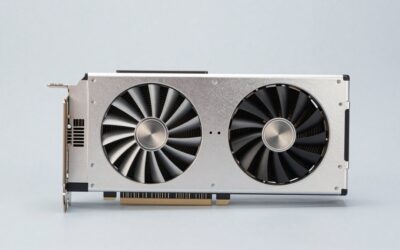
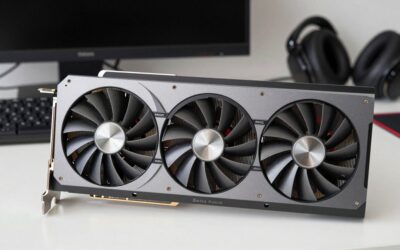
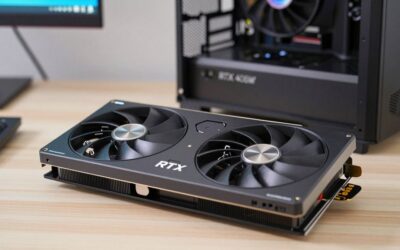
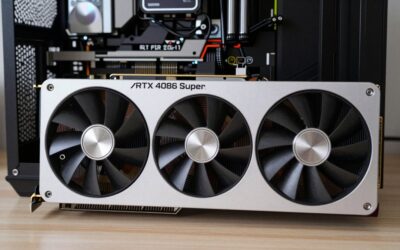
- Top Pick: ASUS Dual NVIDIA GeForce RTX 5060 Ti 16GB GDDR7 OC Edition Graphics Card, (PCIe 5.0, DLSS 4, HDMI 2.1b, DisplayPort 2.1b, 2.5-Slot, Axial-tech Fan, 0dB Technology), 3 Year Warranty
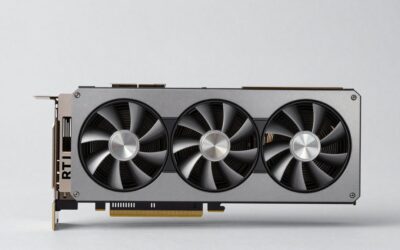
- Best Value: ASUS SFF-Ready Prime NVIDIA GeForce RTX 5060 Ti 16GB GDDR7 OC Edition Graphics Card (PCIe 5.0, 16GB GDDR7, HDMI/DP 2.1, 2.5-Slot, Axial-tech Fans, Dual BIOS), 3 Year Warranty
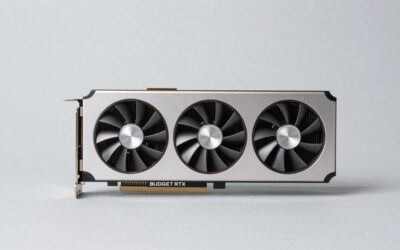
- Premium Choice: ASUS SFF-Ready Prime NVIDIA GeForce RTX 5060 Ti 16GB GDDR7 Graphics Card (PCIe 5.0, 16GB GDDR7, HDMI/DP 2.1, 2.5-Slot, Axial-tech Fans, Dual BIOS), 3 Year Warranty
The ASUS RTX 5060 Ti 16GB has quickly become one of the most sensible graphics cards of this generation. It pairs NVIDIA’s Blackwell architecture and DLSS 4 with a generous 16GB of GDDR7 memory, addressing the single biggest complaint about the 8GB mid-range: running out of VRAM in modern, texture-heavy games. For 1440p players who want longevity, it hits a compelling sweet spot.
ASUS offers this GPU in several flavors, from the compact Dual and Prime models to SFF-ready designs with dual BIOS. I’ve dug into what separates them and how the card performs where it matters. Here’s a grounded review of the ASUS RTX 5060 Ti 16GB and who should buy it.
As an Amazon Associate we earn from qualifying purchases at no extra cost to you.




🎮 Get More From Your Setup — Free
Prime Gaming gives you free PC games every month, in-game loot, and a free Twitch channel sub — plus fast free shipping on all the gear above. New members get a 30-day free trial.
Watch: ASUS RTX 5060 Ti 16gb — Video Review
Design & Build
The ASUS Dual RTX 5060 Ti 16GB OC is the mainstream pick, with a clean 2.5-slot cooler, Axial-tech fans, and 0dB technology that silences the fans at idle. The SFF-Ready Prime variants, in both standard and OC trims, are engineered to fit small-form-factor cases while keeping thermals in check, and they add dual BIOS for a choice between performance and quiet profiles. There’s even a striking White OC edition for themed builds and a Prime OC bundle that includes a GPU holder to prevent sag. All of them lean on modern I/O, HDMI 2.1b and DisplayPort 2.1b, and PCIe 5.0, so they’re ready for current and future displays.
Performance
At 1440p, the RTX 5060 Ti 16GB is genuinely strong, and the extra VRAM is what sets it apart from 8GB cards. Games that stutter on lesser cards when textures spill past 8GB run smoothly here, and DLSS 4 Multi Frame Generation pushes frame rates higher still in supported titles. The Axial-tech cooling on the Dual and Prime models keeps clocks stable and noise low, and the 0dB idle behavior makes the card silent during light use. For most 1440p gamers who want to max textures and keep the card for several years, this is the configuration that ages best. The White OC edition performs identically to the standard OC, so that choice is purely aesthetic.
Pros & Cons
- 16GB of GDDR7 future-proofs against VRAM-hungry modern games.
- DLSS 4 Multi Frame Generation boosts frame rates in supported titles.
- Quiet, effective cooling with Axial-tech fans and 0dB idle.
- SFF-ready and dual-BIOS options suit compact and flexible builds.
- Priced above 8GB cards, so you pay for the extra memory.
- Not a 4K powerhouse; it’s optimized for 1440p rather than ultra-high resolutions.
- OC gains are modest over the standard variants in real games.
Alternatives to Consider
If you specifically want a small-form-factor build, the ASUS SFF-Ready Prime RTX 5060 Ti 16GB is the tailored choice. Gamers who don’t need 16GB and want to save money can look at the 8GB RTX 5060 for 1080p. And if you’re open to AMD, the ASUS Dual Radeon RX 9060 XT 16GB is a direct competitor with the same generous memory, worth comparing on price and the games you play most, since driver features and DLSS support differ between the two ecosystems.
Related Guides
- Laptop RTX 5050 (2026)
- Nvidia RTX 5070 Ti Price Drop (2026)
- Radeon 9070 Xt (2026)
- Nvidia RTX 5070 Ti Price Drop (2026)
Frequently Asked Questions
Is 16GB of VRAM overkill for 1440p?
Not anymore. Modern games increasingly exceed 8GB at high textures, so 16GB provides real headroom and smoother performance now and in the years ahead, making it the smarter buy for longevity.
Which ASUS variant should I get?
The Dual OC is the best all-rounder for standard cases. Choose a Prime SFF-Ready model for compact builds, and pick the White OC only if it matches your build’s aesthetic, since performance is the same.
Can it handle 4K gaming?
It can play at 4K with DLSS enabled in many titles, but it’s optimized for 1440p. For consistent high-frame-rate 4K, a higher-tier card is a better fit.
How does it compare to the RX 9060 XT 16GB?
Both offer 16GB and strong 1440p performance. The RTX 5060 Ti wins on DLSS 4 and ray tracing, while the Radeon can compete on price and raw rasterization, so weigh the features you value.
Verdict
The ASUS RTX 5060 Ti 16GB is one of the smartest 1440p buys of the generation, combining DLSS 4, quiet cooling, and future-proof memory. The Dual OC is the pick for most builders, the SFF-Ready Prime suits compact cases, and the White OC is there for themed setups. If you want a card that stays relevant, the 16GB memory makes all the difference.
Top picks from this guide
 ASUSASUS Prime GeForce RTX 5060 Ti 16GB GDDR7 Gaming Graphics…$789 \xc2\xb7 99/100
 ASUSASUS Prime GeForce RTX 5060 Ti 16GB GDDR7 OC Edition…$830 \xc2\xb7 98/100
 ASUSASUS Dual GeForce RTX 5060 Ti 16GB GDDR7 OC Edition…$766 \xc2\xb7 97/100
 ASUSASUS Dual Radeon RX 9060 XT 16GB GDDR6 Gaming Graphics…$661 \xc2\xb7 96/100