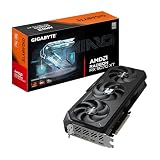
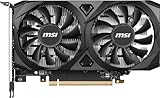
- Top Pick: PinQiongZhe Micro SD Memory Card Kit Male to Female Extension Adapter Extender Test Tools Car GPS 3D Printer Card Reader Micro SD to SD Card
- Best Value: CY 5pcs/lot Micro SD TF Memory Card Kit Male to Standard SD Female Extension Adapter Extender PCBA Reader for Car Phone (SD*5pcs)
- Premium Choice: DGK Color Tools High Resolution 8.5×11 Chrome SD Lens Test Chart, 3-P
When a memory card fails in the field, the cost can run far beyond the card itself. A corrupted dashcam file, a lost set of wedding photos, or a failed drone recording all start with the same question: does the card actually deliver what it claims? The right SD card tester answers that without guesswork, whether that means verifying form-factor compatibility through an adapter kit, benchmarking real throughput with software, or reading back files from a card connected to your phone or laptop.
What separates a useful tool from a throwaway is how directly it addresses your failure mode. A bulk pack of extension adapters won’t tell you your card’s sustained write speed, but it will confirm whether the physical connector is the problem. Software benchmarks measure throughput but do nothing for a card that fails to enumerate at all. In 2026, the options on the market range from simple mechanical kits under ten dollars to professional calibration charts and full benchmark suites, and the confusion among buyers is real: the search term “sd card tester” covers everything from a $7.59 USB-C reader to a $15.99 lens test target. This guide breaks down each product by what it actually does and who needs it.
As an Amazon Associate we earn from qualifying purchases at no extra cost to you. Product prices and availability are accurate as of the date shown and are subject to change.





Quick Picks
| Product | Best for | Price |
|---|---|---|
| PinQiongZhe Micro SD Adapter Kit | Testing form-factor compatibility across devices | $12.99 |
| CY 5-Piece TF Adapter Set | Builders who need spare adapters on hand | $8.99 |
| DGK Chrome SD Lens Test Chart | Camera and lens resolution verification | $15.99 |
| CPDT Benchmark | Software-level throughput measurement | n/a |
| chenyang SD/TF Extension Adapter Kit | PCB-level contact testing | $9.99 |
| Lightning/USB-C SD Card Reader | On-the-go file verification with phones | $9.99 |
| BENFEI 4-in-1 USB 3.0 Reader | Multi-format card verification | $9.49 |
| UGREEN USB 3.0 Card Reader | Budget single-slot SD testing | $7.59 |
How We Picked
We narrowed this list using three criteria: functional relevance to diagnosing or verifying SD card behavior, build quality relative to price as reported by owners, and versatility across common use cases. A product that only works with one device form factor scores lower than one that bridges two or three. Price matters not because cheapest is best, but because most of these tools cost under sixteen dollars and the marginal difference between them must be justified by measurable utility in the field or at the desk.
The 8 Best Sd Card Tester in 2026
PinQiongZhe Micro SD Adapter Kit
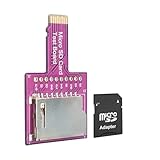
This kit bridges the gap between Micro SD cards and standard SD slots, making it a first-resort diagnostic when a card fails to appear in a camera or GPS unit. Owners note it works reliably across car dashcams, 3D printers, and older cameras that only accept full-size SD. The male-to-female extension design also allows you to test whether a device’s internal card slot is the problem versus the card itself. Two pros: broad device compatibility and a sturdy housing that resists the flimsy feel common in cheap adapters. One con: the kit includes only a limited number of pieces, so bulk replacements require a second purchase. Skip this if you need to measure write speed or verify file integrity, as it is purely a mechanical passthrough.
CY 5-Piece TF Adapter Set
Five identical Micro SD to standard SD adapters in one lot. This is the tool you buy when you want spares in a toolbox, a camera bag, and a workbench drawer simultaneously. For technicians or enthusiasts who swap cards across many devices, the low per-unit cost makes it practical to assign one adapter per device and never misplace the connection again. Two pros: excellent value per unit and consistent fitment across batches. One con: no included case or organizer, so five small adapters rattle loose in a bag. Skip this if you only need a single adapter and want something with a lanyard hole or protective shell.
DGK Chrome SD Lens Test Chart
Not an electronic tester, but a physical target used to evaluate the resolution path of cameras that record to SD cards. Photographers and surveillance integrators use this 8.5×11 chrome chart to confirm whether a lens, sensor, or compression pipeline is degrading image quality before blaming the card. Two pros: high-contrast chrome surface resists fading and the three-pack format allows placement at multiple working distances. One con: it requires a reference workflow and interpretation skill, so casual users won’t get value without learning standardized chart reading. Skip this if your concern is card reliability rather than image fidelity.
CPDT Benchmark
Software that measures sustained sequential and random throughput for storage devices including SD cards, USB drives, SSDs, and RAM-backed volumes. It provides the numbers that tell you whether a card marketed as “V30” actually holds 30 MB/s sustained. Two pros: covers multiple storage media types in one tool and produces repeatable results that expose marketing exaggeration. One con: it tests logical performance only and cannot detect physical connector failure or a card that refuses to mount. Skip this if your card isn’t being recognized by the OS in the first place.
chenyang SD/TF Extension Adapter Kit
Similar in concept to the PinQiongZhe kit but oriented toward PCB-level testing, where a developer or repair tech needs to probe contacts without soldering. The female-to-micro-SD male extension exposes pins in a predictable layout useful for signal tracing. Two pros: practical for bench work on embedded projects and affordable enough to keep as a consumable. One con: the included set is minimal, so you may need additional female headers or jumper wires to make full use of the exposed contacts. Skip this if you only need consumer-grade adapter convenience with no interest in electronics work.
SD Card Reader for iPhone and Android
A direct-connect reader that lets you pull files off an SD card using your phone’s Lightning or USB-C port without a computer. This is the field verification tool for travel photographers and content creators who need to confirm a recording survived before pulling the card for reuse. Two pros: no software installation required and it works with the file manager already on your phone. One con: transfer speed is limited by the phone’s storage controller and the reader’s passive design, so large 4K card dumps take noticeably longer than a USB 3.0 reader on a laptop. Skip this if you routinely move more than sixty-four gigabytes at once.
BENFEI 4-in-1 USB 3.0 Reader
Four slots for SD, Micro SD, MS, and CF cards with simultaneous read-write capability. Its value as an SD card tester lies in the ability to compare two cards side by side or to verify a card across form factors without re-plugging. Two pros: four concurrent slots cut diagnostic time and USB 3.0 bandwidth prevents the interface from being the bottleneck. One con: the multi-slot design means the unit is bulkier than a single-slot reader, making it less pocketable for travel. Skip this if you only ever handle Micro SD cards and want the smallest possible footprint.
UGREEN USB 3.0 SD Card Reader
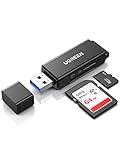
A no-frills single-slot USB 3.0 reader that does one job: present an SD card to your computer at maximum interface speed. For users who want to run benchmark software or verify file writes with minimal variables, this reader’s simplicity is its strength. Two pros: compact enough to live on a laptop USB port permanently and consistently recognized without driver issues. One con: no Micro SD slot, so you still need a separate adapter for smaller cards. Skip this if you handle multiple card formats or want phone-based file access.
Buying Guide
Match the Tool to the Failure Mode
SD card problems fall into three buckets: physical (the card does not seat or is not recognized), logical (the card mounts but files are corrupt or missing), and performance (the card works but writes below rated speed). A mechanical adapter kit or card reader solves the first. Benchmark software solves the third. The second often requires a combination: read back files with a reader, then verify checksums with software. Choosing a tool that addresses the wrong failure mode wastes money and leaves the real issue untouched.
Interface Bandwidth Determines Your Ceiling
A USB 2.0 reader caps throughput at roughly thirty megabytes per second regardless of how fast the card is. USB 3.0 pushes that ceiling high enough that most consumer cards become the bottleneck, not the cable. If your primary goal is verifying whether a card sustains its rated speed, any tester built on USB 2.0 will give you misleadingly low numbers. Check the interface spec before assuming the reader is transparent.
Build Quality Affects Contact Reliability
Owner feedback across all categories consistently flags one recurring problem: intermittent contact from worn or poorly sprung slots. A reader or adapter with gold-plated contacts and a firm ejection mechanism will produce repeatable results. A unit where the card wiggles or requires re-seating will cause false negatives that waste diagnostic time. When comparing products at similar prices, prioritize units whose owner reviews mention long-term durability over those that only praise initial functionality.
Our Verdict
The top pick for most buyers is the BENFEI 4-in-1 USB 3.0 Reader. It covers multiple form factors, provides sufficient bandwidth to avoid interface bottlenecks, and handles simultaneous reads that make comparative testing practical. At $9.49 it sits in the same price tier as every other card reader on this list, so the added versatility costs nothing extra. For the absolute budget pick, the UGREEN at $7.59 delivers clean single-slot SD testing with no compromises on speed. The condition under which another product wins: if your card is not being recognized at all, a software benchmark or high-end reader won’t help, and the PinQiongZhe adapter kit is the right first step to rule out a form-factor mismatch.
FAQ
What is the difference between an SD card tester and a card reader?
A card reader presents the card to your computer so you can access files. An SD card tester, in the broader sense, includes diagnostic tools like benchmark software, adapter kits for physical troubleshooting, and test charts that verify image quality paths. A reader alone cannot tell you whether a card meets its rated speed.
Do I need software to test an SD card?
For performance verification yes, because a reader only confirms the card is electrically functional. Software like CPDT Benchmark measures sequential and random throughput so you can compare actual numbers against the card’s published rating. Without software, you are limited to physical and logical checks.
Can a cheap adapter damage a card?
Yes, if the internal contacts are misaligned or the housing flexes during insertion. Owner reports on the lowest-cost adapters occasionally mention cards that become stuck or show partial-sector corruption after use. For cards holding irreplaceable data, spend the difference between a five-pack and a single-unit kit with a sturdier shell.
Is USB 3.0 overkill for testing SD cards?
No, because testing is about establishing a ceiling, not meeting a need. USB 3.0 ensures the reader is never the reason your benchmark numbers look low. USB 2.0 cannot exceed thirty megabytes per second, which means it will underreport the performance of any card rated above that threshold.