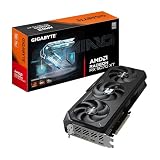
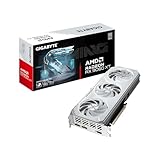
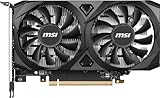
- Top Pick: GIGABYTE Radeon RX 9070 XT Gaming OC 16G Graphics Card, PCIe 5.0, 16GB GDDR6, GV-R9070XTGAMING OC-16GD Video Card
- Best Value: XFX Swift AMD Radeon RX 9070 XT Triple Fan Gaming Edition with 16GB GDDR6 HDMI 3xDP, RDNA 4 RX-97TSWF3B9, Graphics Card, Compatible with Desktop PCs
- Premium Choice: ASRock Radeon RX 9070 XT Challenger 16GB OC Graphics Card – AMD RDNA 4 Architecture, 2970 MHz Boost Clock, GDDR6, PCIe 5.0, DisplayPort 2.1a, HDMI 2.1b, Triple Fan Cooling 800W
The Radeon RX 9070 XT graphics card has established itself as AMD’s value champion for high-refresh 1440p gaming, delivering RDNA 4 performance, 16GB of GDDR6, and modern connectivity at a price that undercuts much of the competition. With multiple board partners offering their own takes, from GIGABYTE and Sapphire to XFX, ASRock, and ASUS, the real decision for buyers is which variant balances cooling, size, and factory tuning best for their build.
This review dives into the leading RX 9070 XT models, comparing their cooler designs, clock speeds, and physical dimensions. Rather than rehashing identical core specs, we focus on the practical differences that will actually affect your gaming experience and your case compatibility, helping you land on the right card without paying for marketing gloss.
As an Amazon Associate we earn from qualifying purchases at no extra cost to you. Product prices and availability are accurate as of the date shown and are subject to change.


🎮 Get More From Your Setup — Free
Prime Gaming gives you free PC games every month, in-game loot, and a free Twitch channel sub — plus fast free shipping on all the gear above. New members get a 30-day free trial.
Watch: Radeon Rx 9070 Xt Graphics Card: Review & Buyer’s Guide — Video Review
Design & Build
Board partners differentiate almost entirely through cooling and aesthetics. The Sapphire Nitro+ is widely regarded as a premium build with a robust triple-fan cooler and refined styling, while the GIGABYTE Gaming OC and its white ICE edition use large Windforce-style coolers with reinforced backplates and server-grade thermal gel. The XFX Swift and ASRock Challenger both offer capable triple-fan designs, and the ASUS Prime OC keeps things slightly more compact at 2.5 slots with dual BIOS and axial-tech fans. All use PCIe 5.0 and feature DisplayPort 2.1 and HDMI 2.1 outputs.
Performance
Because every card shares the same RX 9070 XT GPU and 16GB of GDDR6, raw performance is nearly identical, with differences driven by factory overclocks and thermal headroom. The Sapphire Nitro+ and ASRock Challenger OC tend to ship with the most aggressive tuning and strongest cooling, letting them hold boost clocks longer under sustained load. In practice, all deliver excellent 1440p high-refresh gaming and solid 4K performance with upscaling. The better-cooled models simply run quieter and maintain peak clocks more consistently during marathon sessions.
Pros & Cons
- Great 1440p value: Class-leading price-to-performance at high refresh rates.
- 16GB VRAM: Ample memory for high textures and future titles.
- Premium options: The Sapphire Nitro+ offers a top-tier cooler and build.
- Modern I/O: DisplayPort 2.1 and HDMI 2.1 across every model.
- Large footprints: Triple-fan cards can be tight in compact cases.
- Small clock gaps: Performance differences between variants are minor.
- PSU requirements: Confirm your power supply meets recommendations.
Alternatives to Consider
Gamers focused on 1080p can save money with a lower-tier card that still delivers high frame rates. Those who prioritize ray tracing performance or use CUDA-dependent creative applications may prefer an NVIDIA GeForce alternative. But for pure rasterized gaming value at 1440p, the RX 9070 XT lineup is difficult to beat, and the variety of coolers means there is a version for nearly any build.
Frequently Asked Questions
Which RX 9070 XT card has the best cooling?
The Sapphire Nitro+ and ASRock Challenger triple-fan models are known for excellent cooling and quiet operation, holding boost clocks well under sustained gaming loads.
Is the RX 9070 XT good for 1440p gaming?
Absolutely. High-refresh 1440p is where this card shines, delivering smooth frame rates in modern titles thanks to its RDNA 4 architecture and 16GB of memory.
Will the card fit in my case?
Triple-fan models are large, so check clearance carefully. The ASUS Prime’s 2.5-slot design is a better fit for tighter builds than the bigger Windforce and Nitro+ coolers.
Does the factory overclock matter much?
Only marginally. Factory overclocks add small gains, and cooling headroom matters more for sustained performance. Choose based on build fit and noise rather than clock speed alone.
Verdict
The Radeon RX 9070 XT is an outstanding 1440p value, and all board partner cards share the same strong core performance. The Sapphire Nitro+ is the premium pick for cooling and build quality, the GIGABYTE Gaming OC is a great quiet triple-fan option, and the ASUS Prime fits tighter cases best. Select the variant that matches your case and noise preference, since performance between them is nearly identical.