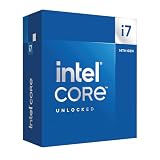
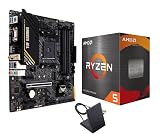
- Top Pick: Intel® Core™ Ultra 9 Processor 285K 24 cores (8 P-cores + 16 E-cores) up to 5.7 GHz
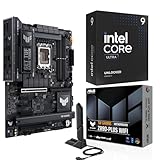
- Best Value: Micro Center CPU Motherboard Combo – Ultra 9 285K 24-Cores LGA 1851 Desktop Processor Bundle with Tuf Gaming Z890-Plus WiFi Motherboard
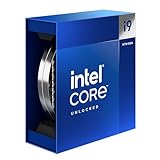
- Premium Choice: Intel® Core™ Ultra 9 Desktop Processor 285 24 cores (8 P-cores + 16 E-cores) up to 5.6 GHz
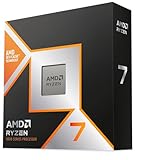
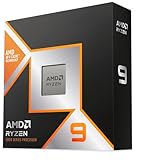
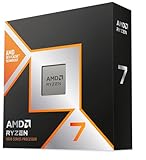
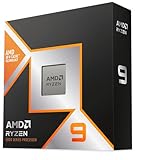
Picking a flagship desktop CPU in 2026 comes down to two families that approach high-end performance from opposite directions. Intel’s Core Ultra 9 285K is a 24-core hybrid chip — 8 performance cores plus 16 efficient cores, boosting up to 5.7 GHz — built on the LGA 1851 platform with Z890 motherboards. AMD’s Ryzen 9 9950X3D takes the opposite route: 16 conventional cores with simultaneous multithreading, plus a stacked 3D V-Cache layer that dramatically expands the L3 cache available to games.
That architectural split matters more in 2026 than it did a generation ago. GPUs remain the biggest line item in most builds, so buyers want a CPU that won’t bottleneck a high-refresh 1440p panel while still chewing through Premiere exports, Unreal compiles, or a live OBS encode. Intel wins on raw thread count and multi-threaded throughput per dollar; AMD wins on cache-sensitive gaming and platform longevity. Below we break down where each one actually earns its price tag.
As an Amazon Associate we earn from qualifying purchases at no extra cost to you.





⚡ Save on Your Next PC — Amazon Prime
Prime members get fast free shipping on the systems above, plus early access to Prime Day & Black Friday PC deals. New members get a 30-day free trial.
Watch: Intel Core Ultra 9 vs Ryzen 9: 2026 Battle — Video Review
Quick Verdict
If gaming frame rates are your top priority — especially in simulation, strategy, and open-world titles that hammer the cache — the Ryzen 9 9950X3D is the safer buy and the AM5 socket gives you a clearer upgrade path. If you split your time between gaming and heavy content creation, or you want the most cores for the money and a straightforward bundle like the Micro Center 285K + TUF Gaming Z890-Plus WiFi combo, the Core Ultra 9 285K delivers more total throughput and runs noticeably cooler than Intel’s previous flagship.
Key Differences
- Core layout: Intel’s 24 cores are hybrid (8 P-cores + 16 E-cores, 24 threads, no Hyper-Threading), while the Ryzen 9 uses 16 full cores with 32 threads.
- Cache strategy: The 9950X3D’s 3D V-Cache gives games a huge L3 pool; Intel relies on higher clocks and a wider core count instead.
- Gaming performance: AMD generally leads in cache-hungry titles at 1080p and 1440p; the gap narrows considerably at 4K where the GPU dominates.
- Productivity: Intel’s E-core army is excellent for parallel workloads like batch encoding, compilation, and virtualization.
- Platform and upgrades: AM5 has been supported across multiple generations; LGA 1851 is newer but has a shorter track record.
- Power and thermals: Arrow Lake is far more efficient than the i9-14900K it replaced, though both flagships still want a 360 mm AIO or a premium air cooler.
Intel Core Ultra 9 285K
The Core Ultra 9 285K is Intel’s thread-count play. Twenty-four cores across a P-core/E-core split make it superb at anything embarrassingly parallel — Blender renders, Handbrake queues, Docker containers, multi-track audio, or streaming at high bitrates while you game. It also ships with a capable integrated GPU and a neural engine for on-device AI features, which is genuinely useful if a build ever needs to boot without a discrete card.
Efficiency is the underrated story here. Compared with the older Core i9-14900K, the 285K draws substantially less power under sustained multi-threaded load and runs cooler, which makes small-form-factor builds more realistic. Gaming performance is strong but not class-leading, though firmware and scheduler maturity have improved results meaningfully since launch. Buyers who don’t need overclocking can save money with the locked Core Ultra 9 285, and the Core Ultra 7 270K Plus offers the same 24-core layout at slightly lower clocks for less.
AMD Ryzen 9 9950X3D
The Ryzen 9 9950X3D is the closest thing to a no-compromise chip. AMD stacks 3D V-Cache on one core complex and leaves the other running at full clocks, so games get the cache-heavy die while productivity apps get the high-frequency one. In practice that means near-best-in-class frame rates in titles like flight sims, MMOs, factory builders, and large-map strategy games, where cache misses — not clock speed — are the bottleneck.
It’s also a strong workstation part. Thirty-two threads handle rendering and compilation confidently, even if Intel’s higher core count edges ahead in some pure throughput tests. The bigger long-term argument is AM5: AMD has committed to supporting the socket well into the future, so a board bought today can plausibly host another generation of CPUs. The trade-off is price — the 9950X3D typically commands a premium over the 285K.
Which Should You Buy?
- For competitive and high-refresh gaming: pick the Ryzen 9 9950X3D for its cache-driven frame rate advantage.
- For mixed gaming and content creation: pick the Core Ultra 9 285K — more threads for the money and excellent export times.
- For a simple, complete build: pick the Micro Center 285K + TUF Gaming Z890-Plus WiFi bundle to skip motherboard compatibility research.
- For value on the Intel side: pick the Core Ultra 9 285 or Core Ultra 7 270K Plus if you won’t overclock.
- For 4K gaming with a top-tier GPU: either works — buy whichever is cheaper and put the savings toward the graphics card.
Frequently Asked Questions
Is the Ryzen 9 9950X3D worth the extra cost over the 285K?
For gaming-first builds at 1080p or 1440p, yes — the cache advantage is real and consistent. For 4K gaming or heavily multi-threaded work, the value gap narrows and the 285K becomes the better deal.
Do I need a new motherboard for the Core Ultra 9 285K?
Yes. Arrow Lake uses the LGA 1851 socket, so older LGA 1700 boards won’t work. A Z890 board like the TUF Gaming Z890-Plus WiFi is the standard pairing, and DDR5 memory is required.
Is the i9-14900K still worth buying in 2026?
Only at a steep discount. It still posts high clock speeds, but it runs hotter and less efficiently than the Core Ultra 9 285K and sits on an end-of-life socket.
What cooler do these CPUs need?
Plan on a 280–360 mm AIO or a high-end dual-tower air cooler for either flagship. Neither ships with a cooler, and both will thermal throttle under sustained load with budget cooling.
Final Verdict
Buy the Ryzen 9 9950X3D if you want the highest frame rates and the longest upgrade runway; buy the Intel Core Ultra 9 285K — or the Micro Center bundle — if you want maximum multi-threaded performance per dollar and a cooler, more efficient flagship than Intel’s last generation. Both are excellent in 2026, and neither will hold back a modern GPU at 4K.