ASUS makes some of the most varied and value-packed laptops around, spanning slim everyday Vivobooks, roomy 17-inch productivity machines, and hard-hitting ROG gaming rigs. That breadth is a strength, but it also makes choosing the right ASUS laptop a little daunting. Understanding where each line fits helps you land on the model that truly suits your needs and budget.
- Watch: Review Laptop Asus: Review & Buyer’s Guide — Video Review
- Design & Build
- Performance
- Pros & Cons
- Best ASUS Gaming Laptops: Lineup Comparison
- How the ASUS Gaming Range Is Organised
- Best ASUS Gaming Laptops by Budget Tier
- Also Consider
- How We Chose These ASUS Laptops
- Best ASUS Laptops Ranked by Purpose
- Best ASUS TUF Laptops
- Best ASUS SSD Laptops and Upgrades
- Best ASUS Laptops for Programming and Art Programs
- OLED, Refresh Rate and Display Options
- Buying Guide: Which ASUS Gaming Laptop Should You Buy?
- Scenario Guide
- Mistakes to Avoid
- Alternatives to Consider
- Frequently Asked Questions
- Best ASUS Gaming Laptops: FAQ
- ASUS Gaming Laptops: Cooling, Weight, Battery and Ports
- ASUS Gaming Laptops vs Other Brands
- Verdict
- Related Articles
- Related Guides
This review takes a broad look at the ASUS laptop lineup, comparing budget Vivobook Go models, mainstream Vivobook 15 and 17 options, and the ROG Strix gaming range. Whether you want an affordable daily driver or a powerful gaming machine, here is how the ASUS family stacks up.

ASUS Vivobook Go 15.6” FHD Slim Laptop, AMD Ryzen 3 7320U Quad Core Processor, 8GB DDR5 RAM, 256GB SSD, Windows 11 Home, Fast Charging, Webcam Shield, Military Grade Durability, Black, E1504FA-AB34
Included for 'Review Laptop Asus: Review & Buyer's Guide' as a representative home product in this roundup; selection reflects the product set returned for this topic.
View on Amazon
ASUS 2023 Vivobook Go 15 Laptop, 15.6" FHD Display, AMD Ryzen 5 7520U Processor, 8GB RAM, 512GB SSD, Windows 11 Home, Mixed Black, E1504FA-AS52
Included for 'Review Laptop Asus: Review & Buyer's Guide' as a representative home product in this roundup; selection reflects the product set returned for this topic.
View on Amazon
ASUS ROG Strix G16 (2025) Gaming Laptop, 16” FHD+ 16:10 165Hz/3ms, NVIDIA® GeForce RTX™ 5060, Intel® Core™ i7 Processor 14650HX, 16GB DDR5, 1TB Gen 4 SSD, Wi-Fi 7, Windows 11 Home, G615JMR-AS74
Included for 'Review Laptop Asus: Review & Buyer's Guide' as a representative home product in this roundup; selection reflects the product set returned for this topic.
View on Amazon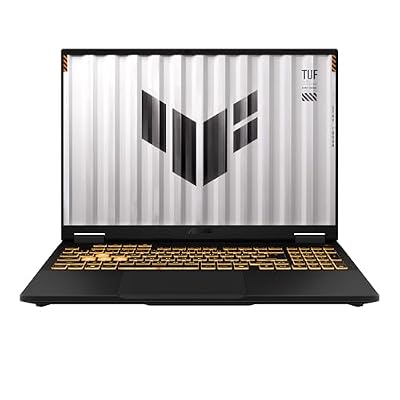
ASUS TUF Gaming F16 (2025) Gaming Laptop, 16” FHD+ 165Hz 16:10 Display, Intel® Core™ i5 Processor 13450HX, NVIDIA® GeForce RTX™ 5050, 16GB DDR5, 512GB PCIe Gen4 SSD, Wi-Fi 6E, Win 11 Home
Included for 'Review Laptop Asus: Review & Buyer's Guide' as a representative home product in this roundup; selection reflects the product set returned for this topic.
View on Amazon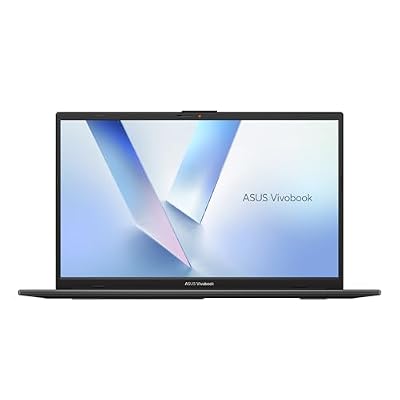
ASUS Vivobook Go 15 15.6” FHD 60Hz Laptop with Intel Processor N150, Intel UHD Graphics, 4GB RAM, 128GB SSD, Mixed Black
Included for 'Review Laptop Asus: Review & Buyer's Guide' as a representative home product in this roundup; selection reflects the product set returned for this topic.
View on AmazonUpdated November 2026 — The best asus gaming laptops for most players are the ASUS ROG Strix G16 (2025) for balanced performance, the ASUS ROG Zephyrus G16 for a slim OLED machine, and the ASUS TUF Gaming A16 for lower-cost value. Below the review you will find a full ASUS gaming laptop lineup by budget tier, with spec lines and a comparison table.
Configurations vary by seller, so confirm the exact GPU, RAM and display on the listing before buying. Specs follow the listings and maker pages; this guide is research-based, not lab-checked.
🎮 Get More From Your Setup — Free
Prime Gaming gives you free PC games every month, in-game loot, and a free Twitch channel sub — plus fast free shipping on all the gear above. New members get a 30-day free trial.
Watch: Review Laptop Asus: Review & Buyer’s Guide — Video Review
Design & Build
ASUS laptops share a clean, modern aesthetic but vary in materials by tier. The budget Vivobook Go 15 models keep things light and portable in a durable plastic chassis with a military-grade durability rating and a webcam shield, while the Vivobook 15 and 17 add larger screens and touches like touchscreens and premium finishes in colors from Cool Silver to Terra Cotta. The ROG Strix G16 sits at the opposite end, a purposeful gaming laptop with aggressive styling, RGB lighting, and robust cooling. Across the range, keyboards are comfortable, and the larger Vivobook 17 and Strix models offer full-size layouts ideal for extended work or play.
Displays
Screen quality scales with price. The Vivobook Go models use solid FHD panels, the Vivobook 15 and 17 add crisp, larger displays and touch options, and the ROG Strix G16 steps up to a fast 165Hz gaming panel that makes motion buttery smooth.
Performance
The ASUS lineup covers a wide performance spectrum. The Vivobook Go 15 models, with AMD Ryzen 3 and Ryzen 5 chips and 8GB of RAM, are aimed at everyday browsing, streaming, and office work on a budget. The Ryzen 5 model listed here is an older 2023 model, so compare it with newer Vivobook Go options. The Vivobook 15 and 17, with Intel Core 5 and Core 7 processors and 16GB of RAM, step up to multitasking and light creative work. At the top, the ROG Strix G16 with its RTX 5060 GPU and Intel Core i7 14650HX is the gaming-focused model, so check its configuration against the games you play. The key is matching the tier to your workload.
Pros & Cons
- Huge range: From budget Vivobook Go to gaming ROG Strix, there’s a fit for everyone.
- Configurations vary: Check the RAM and SSD size of each model before buying.
- Practical features: Webcam shields, touchscreens, and durable builds.
- Real gaming option: The ROG Strix G16 brings RTX power to the family.
- Choice overload: The sheer variety can make selection confusing.
- Budget models are basic: 8GB Vivobook Go configs suit light use only.
- Mixed build materials: Lower tiers use plastic construction.
Best ASUS Gaming Laptops: Lineup Comparison
| Laptop | Line | GPU as listed | Screen as listed | Best for |
|---|---|---|---|---|
| ASUS TUF Gaming A15 | TUF | GeForce RTX 4050 | 15.6 inch FHD 144Hz | Lowest cost |
| ASUS TUF Gaming A16 | TUF | GeForce RTX 4050 | 16 inch WUXGA IPS 144Hz | Budget 16-inch |
| ASUS ROG Strix G16 (2025) | Strix | GeForce RTX 5060 | 16 inch FHD+ 165Hz | Balanced value (reviewed above) |
| ASUS ROG Strix 18 (2025) | Strix | GeForce RTX 5060 | 18 inch 2.5K 240Hz | Big screen, mid GPU |
| ASUS ROG Zephyrus G14 (RTX 5060) | Zephyrus | GeForce RTX 5060 | 14 inch OLED 2.8K 120Hz | Portability |
| ASUS ROG Flow Z13 (2025) | Flow | RDNA 3.5 integrated graphics | 13 inch 2.5K 180Hz | Tablet-style gaming |
| ASUS ROG Zephyrus G16 | Zephyrus | RTX 5070 | 16 inch 2.5K OLED 240Hz | Slim premium all-rounder |
| ASUS ROG Strix SCAR 18 (2026) | Strix SCAR | RTX 5080 | 18 inch 4K 240Hz | Large flagship |
| ASUS ROG Strix SCAR 16 (2025) | Strix SCAR | RTX 5090 | 16 inch 2.5K 240Hz | Top-end 16-inch |
Top three by exact model: ASUS ROG Strix G16 (2025) Gaming Laptop with RTX 5060, ASUS ROG Zephyrus G16 with RTX 5070 and OLED, and ASUS TUF Gaming A16 with RTX 4050.
How the ASUS Gaming Range Is Organised
ASUS sells gaming laptops under several names. TUF Gaming is the entry range, built for durability and priced below ROG. ROG Strix is the mainstream performance line, with Strix G models in the middle and Strix SCAR at the top. ROG Zephyrus focuses on slim designs, often with OLED screens. ROG Flow covers convertible and tablet-style devices. The same model name can ship with different GPUs, RAM and panels, so read the full listing.
Best ASUS Gaming Laptops by Budget Tier
What to expect at the budget tier (under about $1,300)
- GeForce RTX 4050-class GPUs on current TUF listings.
- 1080p-class 144Hz screens, plastic or mixed-material bodies.
- 16GB of RAM on the listings below; many have upgradeable memory and storage, but check the maker’s page.
- Best for esports and 1080p play.
ASUS TUF Gaming A15 (FA507NUR) — Best for the lowest cost for a dedicated GPU

ASUS TUF Gaming A15 Gaming Laptop, 15.6” FHD 144Hz, 100% sRGB Display, GeForce RTX 4050, AMD Ryzen 7 7435HS, 16GB DDR5, 512GB PCIe SSD, Wi-Fi 6, Windows 11, FA507NUR-AS73
Included for 'Review Laptop Asus: Review & Buyer's Guide' as a representative home product in this roundup; selection reflects the product set returned for this topic.
View on AmazonSpecs: 15.6-inch FHD 144Hz · 100% sRGB · GeForce RTX 4050 · AMD Ryzen 7 7435HS · 16GB DDR5 · 512GB PCIe SSD · Wi-Fi 6.
The TUF Gaming A15 is an older-generation design but keeps a dedicated RTX GPU and an sRGB-covering screen at a low tier. The 512GB drive fills quickly with modern games.
Pros
- RTX 4050 with 144Hz screen
- 16GB DDR5
- Durable TUF styling
Cons
- Previous-generation platform
- 512GB storage is tight
Skip it if you want the newest RTX 50-series GPU.
ASUS TUF Gaming A16 (Ryzen 7 170) — Best for a budget 16-inch laptop with more storage

ASUS TUF Gaming A16 Laptop 16" WUXGA IPS 144Hz AMD 8-core Ryzen 7 170 16GB RAM 1TB SSD GeForce RTX 4050 RGB Backlit Type-c AI Noise Cancelation Win11Pro ICP Acc
Included for 'Review Laptop Asus: Review & Buyer's Guide' as a representative home product in this roundup; selection reflects the product set returned for this topic.
View on AmazonSpecs: 16-inch WUXGA IPS 144Hz · AMD 8-core Ryzen 7 170 · GeForce RTX 4050 · 16GB RAM · 1TB SSD · RGB backlit keyboard.
The A16 moves up to a larger 16-inch screen and a 1TB drive. This listing is a seller configuration, so confirm the exact specs and warranty.
Pros
- 1TB SSD
- 16-inch screen
- RTX 4050 GPU
Cons
- Seller configuration; compare listings
- RTX 4050 is entry-level
Skip it if you want 2.5K or OLED display options.
What to expect at the mid-range tier (about $1,300 to $2,300)
- RTX 5060-class GPUs on the listings below.
- High-refresh panels at 165 to 240Hz or compact OLED screens.
- Wi-Fi 7 and 16 to 32GB of RAM on many configurations.
- Better cooling than TUF at the same screen size.
ASUS ROG Strix 18 (2025) with RTX 5060 — Best for a big screen without a flagship GPU

ASUS ROG Strix 18 (2025) Gaming Laptop, 18” ROG Nebula HDR 16:10 2.5K 240Hz/3ms, NVIDIA GeForce RTX 5060, Intel Core Ultra 9 275HX, 32GB DDR5, 1TB PCIe Gen 4 SSD, Wi-Fi 7, Win 11 Home
Included for 'Review Laptop Asus: Review & Buyer's Guide' as a representative home product in this roundup; selection reflects the product set returned for this topic.
View on AmazonSpecs: 18-inch ROG Nebula HDR 16:10 2.5K 240Hz · GeForce RTX 5060 · Intel Core Ultra 9 275HX · 32GB DDR5 · 1TB PCIe Gen 4 SSD · Wi-Fi 7.
Pairs an 18-inch 240Hz panel with an RTX 5060, so the display can outpace the GPU in demanding games. It suits a desk-based player who values screen size.
Pros
- Large 18-inch 240Hz screen
- 32GB DDR5
- Core Ultra 9 275HX
Cons
- Heavy and bulky
- GPU tier lower than the display deserves
Skip it if you carry the laptop daily.
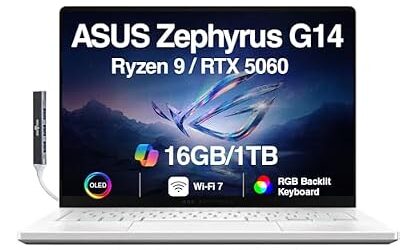
ASUS ROG Zephyrus G14 (RTX 5060) — Best for a portable 14-inch machine

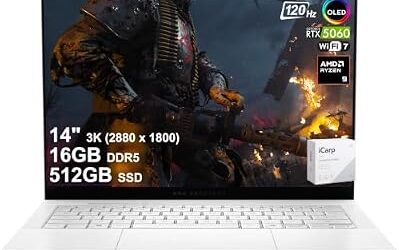
ASUS ROG Zephyrus G14 5060 Gaming Laptop 14.0" OLED 2.8K, Ryzen 9, 16GB/1TB | AMD 8-Core Ryzen 9 270 4.0GHz, GeForce RTX 5060 8GB, 39 TOPS, Copilot, 120Hz, RGB KYB, WiFi 7, W11P, Platinum White w/USB Hub
Included for 'Review Laptop Asus: Review & Buyer's Guide' as a representative home product in this roundup; selection reflects the product set returned for this topic.
View on AmazonSpecs: 14-inch OLED 2.8K 120Hz · GeForce RTX 5060 8GB · AMD Ryzen 9 270 · 16GB · 1TB SSD · Wi-Fi 7.
The G14 keeps the footprint small while offering an OLED screen. A compact chassis limits sustained GPU power compared with a 16-inch laptop.
Pros
- Compact and light
- OLED display
- Ryzen 9 270
Cons
- Smaller cooling system
- 16GB RAM may be tight
Skip it if you want the highest sustained frame rates.
ASUS ROG Flow Z13 (2025) — Best for tablet-style gaming

ASUS ROG Flow Z13 (2025) Gaming Laptop, 13” ROG Nebula 16:10 2.5K 180Hz/3ms, the AMD Ryzen AI MAX 390 Processor, the RDNA 3.5 Graphics, 32GB LPDDR5X 8000MHz, 1TB PCIe Gen 4 SSD, Wi-Fi 7, Win 11 Home
Included for 'Review Laptop Asus: Review & Buyer's Guide' as a representative home product in this roundup; selection reflects the product set returned for this topic.
View on AmazonSpecs: 13-inch ROG Nebula 16:10 2.5K 180Hz · AMD Ryzen AI MAX 390 · RDNA 3.5 integrated graphics · 32GB LPDDR5X 8000MHz · 1TB PCIe Gen 4 SSD · Wi-Fi 7.
The Flow Z13 is a tablet with a detachable keyboard. It uses integrated graphics rather than a discrete RTX GPU, so it fits portable play and lighter titles.
Pros
- Unusual tablet form factor
- Fast LPDDR5X memory
- 180Hz touch-friendly display
Cons
- Integrated graphics only
- Limited upgrade and cooling room
Skip it if you need a desktop-replacement GPU.
What to expect at the premium tier (about $2,300 and up)
- OLED or 4K high-refresh panels.
- RTX 5070, 5080 or 5090-class GPUs.
- Intel Core Ultra 9 HX processors and 32GB or more RAM.
- Heavier power adapters and higher fan noise are common reviewer notes.
ASUS ROG Zephyrus G16 — Best for a slim premium all-rounder

ASUS ROG Zephyrus G16 16" 2.5K OLED 240Hz Gaming Laptop, Intel Core Ultra 9 285H, RTX5070, 16GB LPDDR5X 1TB SSD, Wi-Fi7, Backlit KB, Win11, Thunderbolt4, Eclipse Gray, w/USB Hub, W/GaLiMu
Included for 'Review Laptop Asus: Review & Buyer's Guide' as a representative home product in this roundup; selection reflects the product set returned for this topic.
View on AmazonSpecs: 16-inch 2.5K OLED 240Hz · Intel Core Ultra 9 285H · GeForce RTX 5070 · 16GB LPDDR5X · 1TB SSD · Wi-Fi 7 · Thunderbolt 4.
The Zephyrus G16 is the thin-and-light premium pick. Reviewers have commented on price, fan noise and the power adapter on some versions, so read reviews of the exact configuration.
Pros
- OLED 240Hz screen
- Slim chassis
- Thunderbolt 4
Cons
- Premium cost
- 16GB RAM is soldered on LPDDR5X designs
Skip it if you want the most cooling headroom per dollar.
ASUS ROG Strix SCAR 18 (2026) — Best for a large flagship with a 4K panel

ASUS ROG Strix Scar 18 (2026) Gaming Laptop, 18” ROG Nebula HDR 4K 240Hz/3ms, Intel Core Ultra 9 290HX Plus, NVIDIA GeForce RTX 5080, 32GB DDR5, 1TB PCIe Gen 4 SSD, Wi-Fi 7, Win11 Home, G835LWG-DB96
Included for 'Review Laptop Asus: Review & Buyer's Guide' as a representative home product in this roundup; selection reflects the product set returned for this topic.
View on AmazonSpecs: 18-inch ROG Nebula HDR 4K 240Hz · Intel Core Ultra 9 290HX Plus · GeForce RTX 5080 · 32GB DDR5 · 1TB PCIe Gen 4 SSD · Wi-Fi 7.
This is the desk-bound flagship: big screen, large cooling and a 4K panel. A 4K display at this tier leans on DLSS in demanding games.
Pros
- 4K 240Hz panel
- RTX 5080
- Large cooling system
Cons
- Heavy
- Very high cost
Skip it if you travel often.
ASUS ROG Strix SCAR 16 (2025) — Best for top-end 16-inch power

ASUS ROG Strix SCAR 16 (2025) Gaming Laptop, 16” ROG Nebula HDR 16:10 2.5K 240Hz/3ms, NVIDIA GeForce RTX 5090, Intel Core Ultra 9 275HX, 32GB DDR5, 2TB PCIe Gen 4 SSD, Wi-Fi 7, Win 11 Pro, G635LX-XS97
Included for 'Review Laptop Asus: Review & Buyer's Guide' as a representative home product in this roundup; selection reflects the product set returned for this topic.
View on AmazonSpecs: 16-inch ROG Nebula HDR 16:10 2.5K 240Hz · GeForce RTX 5090 · Intel Core Ultra 9 275HX · 32GB DDR5 · 2TB PCIe Gen 4 SSD · Wi-Fi 7 · Windows 11 Pro.
The SCAR 16 pairs the top mobile GPU tier with a smaller chassis than the SCAR 18. It is a performance-first choice with a very high cost.
Pros
- RTX 5090 option
- 2TB SSD
- 240Hz screen
Cons
- Highest cost in this lineup
- Weight and heat
Skip it if you want the best value rather than the best performance.
Also Consider
ASUS ROG Zephyrus G14 with RTX 5080
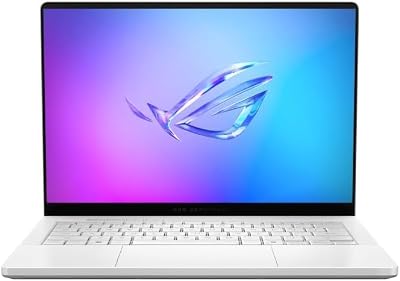
ASUS ROG Zephyrus G14 14" 3K OLED 120Hz Gaming Laptop Copilot+ PC AMD Ryzen AI 9 HX 370 RTX 5080 32GB RAM 2TB SSD Platinum White
Included for 'Review Laptop Asus: Review & Buyer's Guide' as a representative home product in this roundup; selection reflects the product set returned for this topic.
View on AmazonBest for a very powerful 14-inch OLED laptop. It lists a 14-inch 3K OLED 120Hz screen, Ryzen AI 9 HX 370, 32GB RAM and 2TB SSD. Trade-off: premium cost and a compact cooling system.
ASUS ROG Strix G18 (2025) with RTX 5080

ASUS ROG Strix G18 (2025) Gaming Laptop, 18" 2.5K 240Hz 16:10 Display Laptop, NVIDIA GeForce RTX 5080, Intel Core Ultra 9 275HX, 64GB DDR5 RAM, 2TB M.2 PCIe SSD, WiFi 7, Win11 Pro - Eclipse Gray
Included for 'Review Laptop Asus: Review & Buyer's Guide' as a representative home product in this roundup; selection reflects the product set returned for this topic.
View on AmazonBest for an 18-inch Strix with a high-end GPU. It lists an 18-inch 2.5K 240Hz display, Core Ultra 9 275HX and 64GB DDR5. Trade-off: size and weight.
ASUS ROG Flow Z13 with Ryzen AI MAX+ 395

ASUS ROG Flow Z13 2.5K 180Hz 3ms ROG Nebula Touchscreen 13.4" Convertible 2-in-1 Gaming Notebook AMD Ryzen AI MAX+ 395 32GB RAM 1TB SSD Off Black
Included for 'Review Laptop Asus: Review & Buyer's Guide' as a representative home product in this roundup; selection reflects the product set returned for this topic.
View on AmazonBest for tablet-style gaming with a higher-tier chip. It lists a 13.4-inch 2.5K 180Hz touchscreen. Trade-off: integrated graphics and limited cooling.
How We Chose These ASUS Laptops
We compared the maker’s pages, current listings and independent reviews, and sorted ASUS laptops by line and budget tier. We covered TUF, Strix, Zephyrus and Flow, favored current models, and flagged older platforms. Specs come from listings and can differ between sellers. This is research-based, not lab-checked.
Best ASUS Laptops Ranked by Purpose
When people search for best ASUS laptops ranked, the useful ranking is by purpose. For raw performance, the SCAR 16 and SCAR 18 lead. For balance, the ROG Strix G16 is the most common answer. For a slim premium design, the Zephyrus G16. For portability, the Zephyrus G14 and Flow Z13. For cost, the TUF Gaming A15 and A16. Reviewer commentary, not a benchmark, drives this ranking.
Best ASUS TUF Laptops
The best ASUS TUF laptops for gaming offer a dedicated GPU at a lower cost than ROG. Expect a plainer build and fewer display options. In the listings above, the A15 and A16 use RTX 4050 GPUs, so they suit 1080p play and esports rather than max settings in new titles.
Best ASUS SSD Laptops and Upgrades
For the best ASUS SSD laptops, check the SSD size, the number of M.2 slots and whether RAM is soldered. Larger Strix and TUF models generally have more upgrade room than the thin Zephyrus and Flow ranges. A 1TB drive is a sensible starting point for a gaming library.
Best ASUS Laptops for Programming and Art Programs
For best programming laptops and best art program laptops, a Zephyrus G14 or G16 combines a strong GPU with an OLED screen, which helps colour work. Programming alone does not need a gaming GPU; 32GB RAM and a good keyboard matter more. Zenbook and ProArt lines suit non-gaming creative work.
OLED, Refresh Rate and Display Options
- OLED: deep blacks and wide colour; available on selected Zephyrus models such as the G16 and G14 above.
- 240Hz panels: helpful for fast shooters on Strix and SCAR models.
- 4K: the SCAR 18 lists 4K, but it relies on upscaling in demanding games.
- MUX switch: varies by model; confirm on the maker’s page.
Buying Guide: Which ASUS Gaming Laptop Should You Buy?
GPU first
For 1080p, RTX 4050 to RTX 5060 is enough; for 1440p, look for RTX 5070 or higher.
RAM and storage
16GB is the minimum; 32GB suits streaming and multitasking. Choose 1TB of storage or more.
Cooling and weight
Thicker laptops sustain more GPU power. Zephyrus models are lighter; SCAR 18 is heavy. Include the power adapter in your travel weight.
Ports
Check HDMI, USB-C with display output and Ethernet if you need them.
Scenario Guide
- Students on a budget: TUF Gaming A15 or A16.
- One laptop for most games: ROG Strix G16 (reviewed above).
- Commuters: ROG Zephyrus G14.
- Design and travel: ROG Zephyrus G16.
- Desk-based flagship: ROG Strix SCAR 18.
- Tablet that games: ROG Flow Z13.
Mistakes to Avoid
- Choosing by model name only; GPU and RAM differ between listings.
- Ignoring the power adapter weight.
- Assuming all ROG models have OLED.
- Paying for a flagship GPU in a thin chassis that cannot sustain it.
Alternatives to Consider
If you want a premium metal chassis, ASUS Zenbook models step up the build and portability. For dedicated gaming beyond the Strix G16, higher-tier ROG laptops offer more powerful GPUs. And cross-shopping Lenovo IdeaPad or HP everyday laptops is worthwhile if you’re focused purely on budget productivity.
Frequently Asked Questions
Which ASUS laptop is best for everyday use?
The Vivobook 15 or 17 with an Intel Core 5 or 7, 16GB of RAM, and an SSD offers the best balance of price and everyday capability for most users.
Is the ROG Strix G16 good for gaming?
It is the gaming-focused option in this lineup, with an RTX 5060 GPU and Core i7 processor. Check the configuration against the games you play.
Are the budget Vivobook Go models worth it?
For browsing, streaming, and office work, they offer solid value. Just know that 8GB of RAM suits lighter tasks rather than heavy multitasking.
Should I get a touchscreen?
A touchscreen, like on the Vivobook 15, adds convenience for navigation and note-taking, though it’s a nice-to-have rather than essential.
Best ASUS Gaming Laptops: FAQ
What are the best ASUS gaming laptops?
The ROG Strix G16 for balance, the ROG Zephyrus G16 for a slim OLED build and the TUF Gaming A16 for value are the most common answers.
Are ASUS TUF laptops good for gaming?
Yes, TUF laptops give a dedicated GPU at a lower cost than ROG. The trade-off is a plainer build and fewer display options.
What are the best laptops from ASUS for programming?
The Zephyrus G14 and G16 pair strong GPUs with OLED screens. For coding only, a Zenbook or ProArt with 32GB of RAM is enough.
Which ASUS gaming laptops have good SSD storage?
Look for 1TB or more. Listings above include 1TB on the TUF A16 and Zephyrus G14, and 2TB on the SCAR 16.
Which ASUS laptop is best for art programs?
The Zephyrus G16 with OLED suits colour work. Check the exact configuration for colour coverage.
Is the ROG Flow Z13 a real gaming laptop?
It plays games, but it uses integrated graphics, not a discrete RTX GPU, so it suits lighter titles and portability.
ASUS Gaming Laptops: Cooling, Weight, Battery and Ports
Thicker laptops can sustain more GPU power, which is why the Strix 18 and SCAR models are built large. The Zephyrus G14 and G16 trade some sustained power for a lighter body, and reviewers have noted fan noise on some Zephyrus versions. If you play on battery, expect a short session on any gaming laptop: plug in for demanding games and use the quiet profile for browsing and video.
Weight matters most for the 18-inch SCAR and Strix models, which stay on a desk, and for the power adapter, a frequent complaint on premium thin laptops. For ports, check for HDMI, USB-C with display output, USB-A and Ethernet on the exact listing, because thin models drop some of them. If you use an external monitor, USB-C or Thunderbolt 4 with display output keeps your desk to one cable.
ASUS Gaming Laptops vs Other Brands
ASUS is the broadest gaming brand, with a model at nearly every price. Lenovo Legion laptops are common cross-shop picks for balanced cooling, HP OMEN Max 16 is often praised for build rigidity but is heavy, and Alienware 16X Aurora rivals the Zephyrus G16 for slim OLED designs. Compare the exact GPU tier, display and warranty rather than the brand name, and read the maker’s service page to see which parts are user-replaceable.
Quick checklist before you buy
- Confirm the GPU model and wattage on the listing.
- Check RAM type: LPDDR5X is soldered, DDR5 may be upgradeable.
- Choose 1TB storage or more.
- Confirm whether the panel is IPS or OLED.
- Read the warranty and return terms.
Verdict
ASUS offers one of the most versatile laptop lineups available, with a strong option at nearly every price point. For everyday use, the Vivobook 15 or 17 with 16GB of RAM is the sweet spot, while the ROG Strix G16 is the pick for gamers. Budget shoppers are well served by the Vivobook Go. Identify your workload first, and the right ASUS laptop becomes easy to find.