Our Short List of 3

- Amazon link: https://www.amazon.com/dp/B07VKBHH15
- Power: three AA batteries required, per the listing product information
- Model number: DD-AR-001
- Signals: ultrasonic output plus flashing strobe light
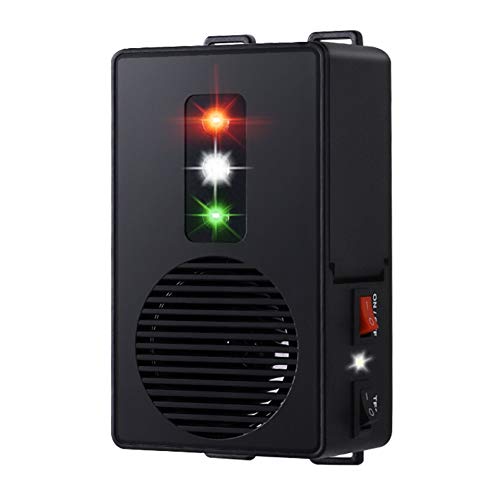
- Amazon link: https://www.amazon.com/dp/B081NDPJD4
- Power: two C batteries required, per the listing product information
- Model number: ZN-511
- Signals: ultrasonic output plus LED flashlights

- Amazon link: https://www.amazon.com/dp/B07YBX6XY2
- Pack: one pack, per the listing title
- Power: battery operated, per the listing title
- Signals: ultrasonic output plus strobe lights
All 4 Picks at a Glance
| Product | Specs | Action |
|---|---|---|
| 1. Loraffe Ultrasonic Rodent Repellent for Car Engine, Battery Powered — B07VKBHH15 |
| Check price on Amazon |
| 2. Loraffe Rodent Repellent for Cars, Battery Operated, Model ZN-511 — B081NDPJD4 |
| Check price on Amazon |
| 3. Angveirt Ultrasonic Rodent Repellent, Under Hood, Battery Operated, 1 Pack — B07YBX6XY2 |
| Check price on Amazon |
 4. Angveirt Rodent Repellent, Battery Operated Ultrasonic Mouse Repeller, 1 Pack — B08251FS86 |
| Check price on Amazon |
🛒 Best Price Today on Amazon
Prime members get fast, free shipping on everything above, plus member-only deals. New members get a 30-day free trial — cancel anytime.
As an Amazon Associate we earn from qualifying purchases.
A mouse that moves into an engine bay, a garage corner or an attic does not need long to cause trouble. Chewed wiring, shredded insulation, droppings around stored food and nests built from paper and fabric are the usual signs, and they often appear in places where a mains socket is nowhere nearby. That is exactly where a battery-powered ultrasonic repeller earns its place. Instead of needing a wall outlet or a wired connection to a vehicle battery, a battery model can be placed under a bonnet, inside a stored car, beside a boat on a trailer, in a shed, in a loft or in a food store, and left to work on its own cells.
This guide covers only devices that meet both halves of the brief: they emit ultrasonic sound intended to deter mice and other rodents, and they run on batteries. Plug-in-only repellers were left out, because a model that stops when unplugged cannot protect a parked vehicle or an attic without power. Traps, poisons and sprays were also left out as a different product type.
The four devices below come from two makers in this niche, Loraffe and Angveirt, and are built mainly around vehicle and outbuilding protection. They differ in battery size, in whether they add flashing strobe lights, and in the spaces their listings name. The right repeller for a daily-driven car is not always the right one for a camper van stored for months.
Disclosure: This article contains affiliate links. If you buy through these links, we may earn a commission at no additional cost to you.
How to Choose a Battery-Powered Ultrasonic Mouse Repeller
Start with the space you need to protect
Ultrasonic sound does not pass through solid obstacles. Engine parts, boxes, insulation and walls block or weaken it, so one device protects the open space around it rather than a whole building. For an engine bay, a single unit facing into the bay is the normal arrangement. For a garage, attic or barn, think in terms of one device per enclosed area, placed where its output is not blocked by a tyre, a bin or a stack of timber.
Check the battery type before anything else
Battery size decides how the device fits your routine. AA cells are easy to feed anywhere, because they are sold in nearly every shop and many households already keep spares. Larger C cells suit a device left in a stored vehicle or remote shed where visits are infrequent, but mean keeping a less common size in stock. Either way, a repeller with flat batteries is simply an ornament, so choose the format you are most likely to maintain, and note the change date somewhere you will see it.
Understand what the strobe light adds
Several devices below pair ultrasonic output with flashing LED strobe lights. The makers describe the two signals as working together: the sound targets rodent hearing, while the light targets eyesight, creating an environment rodents are meant to find stressful enough to leave. A strobe is most relevant in dark, enclosed spaces such as engine bays and attics, and it also helps you confirm the unit is still active when you open a bonnet or shed door.
Match the device to the vehicle or the room
Listings name a wide range of settings: cars, trucks, recreational vehicles, garages, attics, barns, sheds and indoor use. Mounting reality differs by setting. Under a bonnet, the device must sit securely where it will not fall onto hot or moving parts. In an attic or barn, the priority is line of sight across the open floor where mice travel. In a garage, a unit near the vehicle or stored feed is usually better placed than one beside the door. Read each listing for the settings it names.
Be realistic about what a repeller can do
An ultrasonic repeller is a deterrent, not a barrier. It cannot remove a food source, seal a hole or clear a nest. The strongest results come from combining it with housekeeping: remove bird seed, pet food and grass seed from open storage, clear nesting material, and seal entry gaps where cables pass through walls. If droppings keep appearing after several weeks with a working device, change the placement, add a second unit, or bring in a pest professional.
Plan the battery routine on day one
Because every device here depends on replaceable cells, the buying decision should include the upkeep plan. Decide where spares will live, set a reminder matching how often you visit the vehicle or building, and check the indicator or strobe each time you pass it. For a stored vehicle, align the check with tyre and fluid checks. This small habit is the difference between a repeller that works for a season and one that stopped unnoticed months earlier.
The Products
1. Loraffe Ultrasonic Rodent Repellent for Car Engine, Battery Powered — B07VKBHH15
- Amazon link: https://www.amazon.com/dp/B07VKBHH15
- Power: three AA batteries required, per the listing product information
- Model number: DD-AR-001
- Signals: ultrasonic output plus flashing strobe light
This Loraffe unit is the model the maker positions most broadly. Its listing describes an ultrasonic rodent repellent for a car engine, battery powered, with a flashing strobe light, intended to keep rats and mice away from a vehicle, automobile, truck, garage, attic, barn or shed. That long list of settings makes it the natural starting point for a reader who has one problem space today and may move the device to another later in the year.
The product information in the listing gives the item model number as DD-AR-001 and states that three AA batteries are required. AA power is the most convenient format in this roundup for most households, because spares are easy to find and easy to share with other devices. The maker describes its battery-operated LED strobe light and ultrasound device as emitting ultrasounds intended to cause intense auditory stress in rodents, with flashing lights targeting their eyesight, creating a hostile environment that is meant to force them to move on. In practice, that dual-signal design suits dark engine bays and outbuildings where both the sound and the light have a clear field to work in.
Choose this model when you want the AA format and the widest stated range of settings in a single unit. Its trade-off is the same one every AA device carries: smaller cells mean the battery routine matters, so the three-cell swap needs to stay on your calendar, especially in a stored vehicle that nobody opens for weeks at a time.
2. Loraffe Rodent Repellent for Cars, Battery Operated, Model ZN-511 — B081NDPJD4
- Amazon link: https://www.amazon.com/dp/B081NDPJD4
- Power: two C batteries required, per the listing product information
- Model number: ZN-511
- Signals: ultrasonic output plus LED flashlights
The second Loraffe device takes a different approach to power. Its listing describes a rodent repellent for cars that is battery operated, an ultrasonic mice and rat deterrent with LED flashlights, and a wireless under-hood animal repeller for pest control in a recreational vehicle, truck and vehicle engine. The product information gives the item model number as ZN-511 and states that two C batteries are required.
The move from AA to C cells is the defining choice here. C cells are larger and are a deliberate pick for a device that will be left working in a stored vehicle, where the owner wants a substantial cell in each slot and does not expect to open the bonnet every week. The maker describes this battery-operated ultrasonic rodent repeller as a chemical-free way to protect a vehicle and property from rodent damage, aimed at the wiring, insulation and other vital components that rodents damage while a car is parked. The LED flashlights add the visual deterrent alongside the ultrasonic output, in the same dual-signal pattern as the AA model above, but the overall package is framed more tightly around vehicles, including recreational vehicles and trucks.
Choose this model when the main job is protecting a parked vehicle, camper or truck for longer stretches between checks, and when you are comfortable keeping C cells as your spare format. Its trade-off is focus: the listing centres on vehicle and engine protection rather than the broader attic, barn and shed list of the AA model, so a reader whose problem is mainly in outbuildings should compare the stated settings carefully before deciding.
3. Angveirt Ultrasonic Rodent Repellent, Under Hood, Battery Operated, 1 Pack — B07YBX6XY2
- Amazon link: https://www.amazon.com/dp/B07YBX6XY2
- Pack: one pack, per the listing title
- Power: battery operated, per the listing title
- Signals: ultrasonic output plus strobe lights
Angveirt is the second specialist maker in this niche, and this listing describes an ultrasonic rodent repellent for under-hood use that is battery operated, with strobe lights, presented as a humane mouse deterrent for car engines and garages. The listing states that it is intended to prevent nesting and wire damage, which names the two harms most vehicle owners are actually trying to avoid: a nest built in a quiet corner of the engine bay, and wiring insulation chewed through while the car sits unused.
The single-pack format is worth noting. This is one device for one protected space, which keeps the decision simple for a reader with a single car or a single garage bay to cover. The strobe lights follow the same logic as the Loraffe models, adding a flashing visual signal to the ultrasonic output in a dark enclosed space. Because the listing frames the device around engines and garages, placement thinking is straightforward: mount it in the engine bay as the maker directs, keep its output unobstructed, and check it as part of the normal routine for a parked vehicle.
Choose this model for a single, vehicle-focused unit, particularly for a garage-kept car where nesting and wire damage are the worries. Its trade-off is scope: the listing emphasises engines and garages, so readers needing attic or indoor coverage should compare the wider setting lists above and below.
4. Angveirt Rodent Repellent, Battery Operated Ultrasonic Mouse Repeller, 1 Pack — B08251FS86
- Amazon link: https://www.amazon.com/dp/B08251FS86
- Pack: one pack, per the listing title
- Power: battery operated, per the listing title
- Signals: ultrasonic mouse and pest repelling for engines and indoor spaces
The second Angveirt listing widens the setting list again. It describes a rodent repellent that is battery operated, an ultrasonic mouse repeller for car engines, and a squirrel and pest repeller for under-hood use, a rat repellent and mice deterrent for house, garage, attic and indoor use, supplied as one pack. That combination of vehicle and indoor settings makes this the Angveirt option for a reader whose rodent problem crosses both worlds, for example a car kept in a garage that also stores feed, or a house with activity in the attic above the parking space.
The mention of squirrels alongside mice and rats is also distinctive. Squirrels are a common engine-bay and attic intruder, and a listing that names them is a better starting point for that problem than one that speaks only about mice. Attic use should still be paired with checking entry points around eaves and vents, and garage use with removing stored food.
Choose this model when you want one battery-operated device whose stated settings cover both a vehicle and indoor spaces such as a house or attic, and when squirrels are part of the problem as well as mice. Its trade-off is that a single pack still protects one open area well rather than several separated spaces at once, so a property with a detached barn, a garage and an attic may need more than one unit whichever model is chosen.
Comparison Table
| Product | ASIN | Power source stated in listing | Extra signal | Settings named in listing |
|---|---|---|---|---|
| Loraffe Ultrasonic Rodent Repellent for Car Engine | B07VKBHH15 | Three AA batteries required | Flashing strobe light | Vehicle, truck, garage, attic, barn, shed |
| Loraffe Rodent Repellent for Cars, ZN-511 | B081NDPJD4 | Two C batteries required | LED flashlights | Cars, recreational vehicles, trucks, engines |
| Angveirt Ultrasonic Rodent Repellent, Under Hood | B07YBX6XY2 | Battery operated | Strobe lights | Car engines, garages |
| Angveirt Rodent Repellent Ultrasonic Mouse Repeller | B08251FS86 | Battery operated | Ultrasonic pest repelling | Car engines, house, garage, attic, indoor |
Frequently Asked Questions
Do battery-powered ultrasonic repellers work in an engine bay?
Engine bays are the setting these four listings are built around. A battery model suits a bonnet because it needs no wiring into the vehicle and no nearby socket. Mount the device as the maker directs, keep it clear of moving and hot parts, and remember that metal components inside the bay block ultrasonic output, so the facing direction matters. Check the unit whenever you open the bonnet, and treat fresh nesting material or droppings as a sign to adjust the placement.
How often will the batteries need changing?
The listings in this guide state the battery format rather than a single universal interval, and real life depends on the cells used and the conditions the device works in. The practical approach is to set a reminder when you install the device, check any indicator or strobe regularly, and keep the correct spare format, AA for the Loraffe DD-AR-001 and C for the Loraffe ZN-511, in the same place as the vehicle or building keys. A repeller found with flat cells has not been protecting anything, so the check matters as much as the choice of model.
Can one repeller cover a whole house or a large barn?
No single unit should be expected to cover a whole building. Ultrasonic output is blocked by walls, stored goods and machinery, so each enclosed area needs its own line of sight and, usually, its own device. Start with the area where droppings or damage actually appear, place one unit there with a clear field, and add further units only for separate compartments that show their own signs of activity.
Are ultrasonic repellers a complete solution on their own?
They are one part of a solution. Removing food sources, clearing nesting material and sealing entry gaps all raise the chance that a deterred mouse stays away instead of moving to the next corner of the same building. If activity continues in the same spot after several weeks with a working, well-placed device, escalate to checking access points in detail or to a pest professional, rather than simply adding more of the same device in the same place.
Which model should a stored-vehicle owner choose first?
Start with the battery format and the setting list. A stored recreational vehicle or truck points toward the Loraffe ZN-511 and its C cells, while a stored car that may later share the device with a barn or shed points toward the AA-powered Loraffe B07VKBHH15. If the vehicle shares a garage with the house and the attic is also a concern, the Angveirt B08251FS86 names the widest mix of vehicle and indoor settings in a single listing.
Conclusion
The best ultrasonic battery mouse repeller is the one whose battery format you will maintain and whose stated settings match the space that actually has the problem. The Loraffe B07VKBHH15 suits readers who want AA power and the broadest list of vehicle and outbuilding settings. The Loraffe ZN-511, running on C cells, suits vehicle and recreational vehicle protection between infrequent checks. The Angveirt B07YBX6XY2 keeps the focus on engines and garages, with nesting and wire damage named directly, while the Angveirt B08251FS86 stretches from engines into the house and attic and names squirrels as well as mice and rats. Whichever device you choose, install it with a clear field, write down the battery date, remove the food and nesting material that drew rodents in, and check the unit on a routine. That combination gives a battery-powered deterrent its fairest chance to keep a vehicle, a garage or an attic free of mice.