🛒 Best Price Today on Amazon
Prime members get fast, free shipping on everything above, plus member-only deals. New members get a 30-day free trial — cancel anytime.
If your voice currently travels from a USB headset into Discord, OBS or a recording app, an audio interface is the upgrade that changes how you sound the most. It lets you plug in a proper XLR microphone, supply phantom power to a condenser mic, and monitor yourself without delay. The challenge with a best audio interface under 150 dollars search is that the category is crowded with look-alike boxes, and the headline specs, usually 24-bit and 192kHz, are nearly identical across them.
This guide is written for streamers, podcasters and bedroom musicians who need one or two inputs, not a rack of preamps. The eight interfaces below are sorted by what the listing actually promises: input counts, phantom power, instrument inputs, monitoring and platform support. In 2026 the real differences come down to how many things you can plug in at once and how clearly the box tells you what it is doing.
Quick Picks

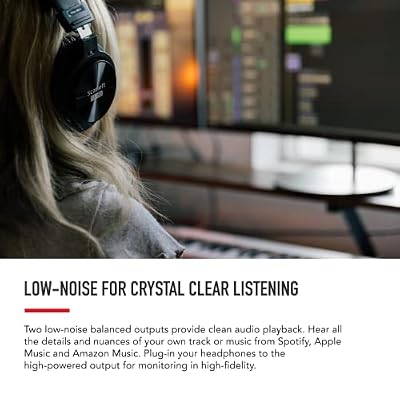
Focusrite Scarlett Solo 3rd Gen USB-C Audio Interface | 1 XLR Mic Preamp, 1 Hi-Z Instrument Input, 24-Bit/192kHz, 56dB Gain Range, Air Mode, macOS/Windows/iPadOS Compatible






As an Amazon Associate we earn from qualifying purchases. Product prices and availability are accurate as of the date/time indicated.

M-AUDIO M-Track Duo USB Audio Interface | Dual XLR, Line and DI Inputs, Professional Software Suite for Recording, Streaming, and Podcasting


As an Amazon Associate we earn from qualifying purchases. Product prices and availability are accurate as of the date/time indicated.

USB C Audio Interface for Recording Music, Streaming, Podcasting, Silver | XLR/6.35mm jacks, line In/hi-z switching, 3 monitoring modes, 24bit/48kHz, 48V phantom power, 2-channel, 3-color gain lights


As an Amazon Associate we earn from qualifying purchases. Product prices and availability are accurate as of the date/time indicated.

PIYONE Audio Interface, 2X2 24-bit/192kHz Interface for High-Fidelity, Studio Quality PC/Mac/iOS Recording, XLR/TRS Combo Input, Monitor Mix/Loopback Function, One-Cable Setup(Alloy Red)


As an Amazon Associate we earn from qualifying purchases. Product prices and availability are accurate as of the date/time indicated.

Jolgoo 2x2 USB Audio Interface, 24-Bit/192kHz Phantom Power Recording Card | 24-Bit/192kHz Studio Quality, +48V Phantom Power, Low Latency, for Recording and Podcasting


As an Amazon Associate we earn from qualifying purchases. Product prices and availability are accurate as of the date/time indicated.

BOMGE mini 2 Channel USB Audio Interface for Recording, Streaming and Podcasting, with XLR/48V Phantom Power,Studio Quality Audio Interface for Guitarist, Vocalist, Podcaster or Producer


As an Amazon Associate we earn from qualifying purchases. Product prices and availability are accurate as of the date/time indicated.

XTUGA USB Audio Interface for PC,Interface for Recording Music Computer Recording Audio Interface XLR with 3.55m Microphone Jack, USB Sound Card for Recording Studio, Ultra-low Latency Plug&Play, Q-12


As an Amazon Associate we earn from qualifying purchases. Product prices and availability are accurate as of the date/time indicated.
| Product | Best for | Key spec from the title |
|---|---|---|
| Focusrite Scarlett Solo 3rd Gen | Solo vocalists and guitarists | 1 XLR preamp, 1 Hi-Z input, 24-bit/192kHz, Air mode |
| M-Audio M-Track Solo | Simple streaming and podcast setups | XLR, line and DI inputs, software suite |
| M-Audio M-Track Duo | Two-person recording | Dual XLR, line and DI inputs |
| USB-C Interface in Silver | Laptop users who want modes for monitoring | XLR/6.35mm, line/Hi-Z switching, 24bit/48kHz |
| PIYONE 2×2 | Streamers who need loopback | 24-bit/192kHz, XLR/TRS combo, loopback |
| Jolgoo 2×2 | Condenser mic owners | +48V phantom power, low latency |
| BOMGE Mini 2-Channel | Compact desks | 2 channels, XLR, 48V phantom power |
| XTUGA USB Interface | Basic PC sound-card upgrade | XLR input, 3.5mm microphone jack |
How to Choose
Count inputs before anything else
A single-input interface is enough if you record one voice or one instrument at a time. If you want two microphones, or a microphone and a guitar together, choose a two-input model. A combination XLR and quarter-inch jack saves you from adapters, while a separate Hi-Z switch matters for guitar and bass because those need a different input impedance than a line source.
Phantom power decides which mics work
Condenser microphones need 48V phantom power from the interface. Dynamic microphones do not. If the listing does not mention +48V, assume a condenser will not work. Also check that phantom power can be switched off when you plug in sensitive gear such as some ribbon microphones.
Sample rate and bit depth are not the whole story
24-bit/192kHz sounds impressive, but 24-bit/48kHz is already more than enough for voice and streaming. Do not choose a box purely for the larger number. Gain range, usually quoted in decibels, matters more for quiet dynamic microphones, and a larger range means you can set the level without noise from an overworked preamp.
Monitoring and software
Direct monitoring lets you hear yourself with no delay, and a loopback feature routes game or music audio into a stream. Check which operating systems the interface supports; a few list iOS or only Windows and macOS. Budget interfaces sometimes cut corners on knobs and housing, so a metal chassis and firm dials are worth noticing in photos.
The 8 Best Options
Focusrite Scarlett Solo 3rd Gen
The Scarlett Solo is a USB-C interface with one XLR mic preamp, one Hi-Z instrument input, 24-bit/192kHz conversion and a 56dB gain range. An Air mode is listed, and the interface supports macOS and Windows. It is aimed at the single creator who sings, plays guitar or hosts a show alone. Focusrite’s USB-C connection means a single cable to a modern laptop, and the Air mode is intended to add brightness to a voice. For someone building a first home setup around a dynamic or condenser microphone, this is the reference point the other interfaces in the list are measured against.
- Strength: separate mic and instrument inputs let you switch between voice and guitar.
- Strength: the wide gain range suits quieter microphones.
- Trade-off: only one mic input, so a guest needs a second interface.
Skip it if you plan to record two microphones at once.
M-Audio M-Track Solo
The M-Track Solo offers XLR, line and DI inputs and ships with a software suite for recording, streaming and podcasting. It is a plain, entry-level interface that gets a mic or instrument into your computer without a long setup process. That makes it a sensible choice for a streamer who has never touched an XLR cable and wants a gentle introduction. The software package is a plus for podcasters who need an editor or recorder on day one rather than hunting for free options.
- Strength: three input types on one compact unit.
- Strength: bundled software gives beginners something to record with immediately.
- Trade-off: the title lists no bit depth or sample rate, so you cannot compare it directly.
Skip it if you need more than one XLR input.
M-Audio M-Track Duo
The Duo extends the Solo with dual XLR, line and DI inputs and the same professional software suite. This is the budget answer for two-person podcasts, duets, or a singer who plays guitar at the same time. Two separate channels also mean you can fix one voice that was recorded too quietly without damaging the other. A duo of friends starting a podcast, or a songwriter layering vocals over a guitar line, will get far more from this than from a single-input box.
- Strength: two inputs let a host and guest record on separate channels.
- Strength: line and DI options connect keyboards and guitars.
- Trade-off: it is larger than the Solo, which matters on a crowded desk.
Skip it if you only ever record yourself.
USB-C Interface in Silver
This unbranded-looking interface lists XLR and 6.35mm jacks, line in and Hi-Z switching, three monitoring modes and 24bit/48kHz audio. It targets laptop users who want a flexible mix of recording and streaming functions. The three monitoring modes are the notable feature: they let you choose between hearing only your input, only the computer, or a blend, which is handy when you stream and play music at once. The lack of a recognizable brand in the title means buyers should read the product page for driver details.
- Strength: three monitoring modes help you balance mic and playback.
- Strength: line and Hi-Z switching suits both instruments and synths.
- Trade-off: 48kHz is lower than rivals, though perfectly fine for voice.
Skip it if brand support matters to you more than features.
PIYONE 2×2
PIYONE lists a 2×2 interface with 24-bit/192kHz sound, XLR/TRS combo input, monitor mix and loopback, and compatibility with PC, Mac and iOS. Loopback is the key item for streamers who need to pipe game audio alongside a microphone. The monitor mix control adjusts how much of your own voice you hear in headphones, which helps prevent shouting when you wear closed-back headphones. The XLR/TRS combo jack also accepts line-level gear, so a synthesizer or mixer output can come in without an adapter.
- Strength: loopback routes computer audio into a stream.
- Strength: iOS compatibility extends to mobile use.
- Trade-off: a lesser-known brand, so drivers and support should be checked.
Skip it if you do not stream or need loopback.
Jolgoo 2×2
Jolgoo’s 2×2 USB interface carries 24-bit/192kHz audio, +48V phantom power and low latency, which is a straightforward set for condenser microphone owners. It acts as a recording card for home studios and streaming rigs. Owners who already have a large-diaphragm condenser microphone gain the most, because phantom power is the one feature that decides whether that mic works at all. The 2×2 layout, two inputs and two outputs, also allows a pair of powered speakers to connect directly.
- Strength: phantom power supports condenser microphones.
- Strength: low latency is helpful for monitoring while you speak.
- Trade-off: the title says little about instrument inputs.
Skip it if you plan to plug in a guitar.
BOMGE Mini 2-Channel
The BOMGE is a compact 2-channel USB interface with XLR input and 48V phantom power, built for recording, streaming, podcasting and guitar. The small size makes it easier to fit next to a keyboard or monitor stand. Its listing also mentions guitar use, so a streamer who plays between segments can plug in an instrument without a second device. For travel, a small box that slides into a laptop bag is easier to live with than a heavy desktop unit.
- Strength: compact footprint on a small desk.
- Strength: phantom power and a guitar-ready input in one box.
- Trade-off: compact units often have smaller knobs and fewer physical controls.
Skip it if you want large, easy-to-grip gain dials.
XTUGA USB Interface
XTUGA presents a USB interface for PC with an XLR input and a 3.5mm microphone jack, doubling as a USB sound card for recording. It is a basic step up from a motherboard microphone input. Anyone moving from a headset to a first XLR microphone gets a cleaner signal path than the onboard audio most PCs offer. Because the title is short on resolution details, treat it as an introductory device rather than a long-term studio centerpiece.
- Strength: both XLR and 3.5mm connections for different microphones.
- Strength: simple setup for a first dedicated audio device.
- Trade-off: the listing is thin on resolution and phantom power details.
Skip it if you need a condenser microphone and cannot confirm phantom power.
Which One Fits Your Situation
You are a solo streamer with one microphone
The Focusrite Scarlett Solo 3rd Gen covers a single XLR mic and a guitar, and its gain range and Air mode suit a spoken-word setup.
You record with a guest or a bandmate
The M-Audio M-Track Duo gives you two XLR inputs, so each person gets a channel and you can fix levels afterward.
You want game audio in your stream
The PIYONE 2×2 lists loopback and monitor mix, which is exactly what a streamer needs to blend game sound with a mic.
Your desk is tiny and you use a condenser mic
The BOMGE Mini 2-Channel combines phantom power with a compact body, so it fits where larger boxes do not.
Common Mistakes
- Buying a condenser microphone without checking for 48V phantom power.
- Choosing the highest sample rate rather than the right inputs.
- Forgetting that a guitar needs a Hi-Z input.
- Using a USB hub and then wondering about dropouts; plug directly into the computer.
- Leaving the interface drivers uninstalled and relying on generic audio.
Related guides
- Logitech G Pro X 2 Vs Steelseries Arctis Nova Pro Wireless
- Travel Controller Case For 8Bitdo Ultimate Series
- Gaming Pc Under 600 For Roblox And Minecraft
Frequently Asked Questions
Do I need an interface if I have a USB microphone?
No. USB mics include their own converter. An interface is for XLR microphones and instruments, where it also provides preamps and phantom power.
What is Hi-Z?
It is a high-impedance input designed for guitars and basses. Plugging one into a normal line input often sounds thin and quiet.
Is 192kHz worth it?
For voice and streaming, not really. It produces larger files without an audible gain. Input quality and gain range matter more.
What is loopback?
It sends your computer’s audio back into the recording path so a streaming program can capture both your voice and game or music audio from one device.