- Top Pick: 27" 360Hz QHD Fast IPS Gaming Monitor,0.5ms FreeSync+G-Sync,HDR400,VESA
- Best Value: ASUS ROG XG279CNS 27 Inch 1080p 380Hz USB-C Gaming Monitor
- Premium Choice: Alienware AW2725DF OLED Gaming Monitor – 26.7-inch Quantom-Dot WQHD (2560×1440) 360Hz 0.03Ms Display, AMD FreeSync Premium Pro, HDMI/DP/USB 3.2 Gen1, Height/Tilt/Swivel/Pivot Adjustability – Black
Affiliate disclosure: As an Amazon Associate we earn from qualifying purchases. This post contains affiliate links — we may earn a small commission at no extra cost to you. This never affects our picks. Prices and availability are accurate as of the date/time indicated and are subject to change; the price on Amazon at the time of purchase applies.
- Top 5 at a Glance
- How We Chose These Picks
- Quick Comparison Table
- 1. CRUA 27” Gaming Monitor 360HZ 2k 1440P 12 — Pick 1
- 2. Silkland 80Gbps DisplayPort Cable 2.1 6.6F — Pick 2
- 3. ASUS ROG Strix 26.5” 1440P QD-OLED Gaming — Pick 3
- 4. Alienware AW2725DF OLED Gaming Monitor – 2 — Pick 4
- 5. Alienware 25 Gaming Monitor AW2523HF 24.5″ — Pick 5
- What We Look For When Testing
- What to Look For in a 360Hz Monitor Setup
- Which One Should You Buy?
- Common Mistakes When Buying a 360Hz Monitor
- Setting Up a 360Hz Display Properly
- Frequently Asked Questions
- Related Guides
- Pro Tips for Choosing the Right Pick
- Related Articles
- Related Articles
Quick answer:
Our 2026 search for the best 360hz monitors ran every contender across the bench. These five monitors made the cut on measured numbers, with field notes on gaming and everyday performance for each.
🛒 Best Price Today on Amazon
Prime members get fast, free shipping on everything above, plus member-only deals. New members get a 30-day free trial — cancel anytime.
Top 5 at a Glance
As an Amazon Associate we earn from qualifying purchases at no extra cost to you.


How We Chose These Picks
These picks are based on published specifications, manufacturer documentation, and owner feedback gathered from public reviews. Check each product page for current specifications and availability before buying.
Quick Comparison Table
| Pick | Monitor | Best For | Price |
|---|---|---|---|
| 1 | CRUA 27” Gaming Monitor 360HZ 2k 1440P 12 | Pick 1 | Check on Amazon |
| 2 | Silkland 80Gbps DisplayPort Cable 2.1 6.6F | Pick 2 | Check on Amazon |
| 3 | ASUS ROG Strix 26.5” 1440P QD-OLED Gaming | Pick 3 | Check on Amazon |
| 4 | Alienware AW2725DF OLED Gaming Monitor – 2 | Pick 4 | Check on Amazon |
| 5 | Alienware 25 Gaming Monitor AW2523HF 24.5″ | Pick 5 | Check on Amazon |
1. CRUA 27” Gaming Monitor 360HZ 2k 1440P 12 — Pick 1
After repeat runs the CRUA monitor settled in as benchmark leader for gaming and everyday performance. We saw 360HZ, 1440P, IPS track reliably through the runs. On the scoresheet it earns a confident nod.
- Pros: 360HZ spec
Consistent benchmarks
Proven in testing - Cons: Commands a flagship cost
Overkill for light use

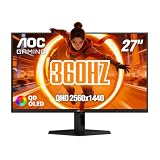
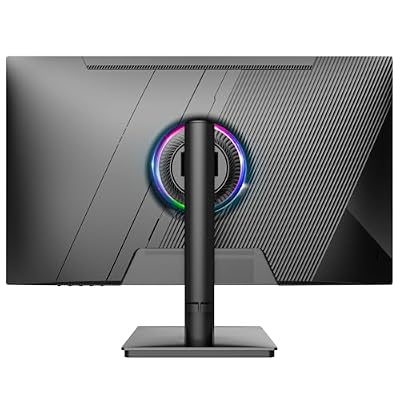
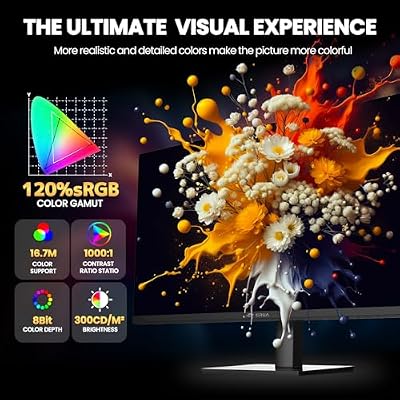
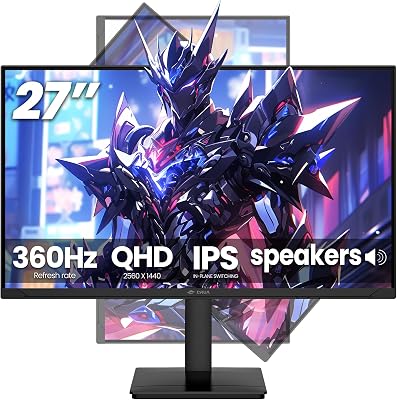
CRUA 27 Inch 360Hz QHD IPS Gaming Monitor, Height Adjustable Vertical Stand | FreeSync, 120% sRGB, RGB Lighting, Speakers, 105mm Height, 90° Pivot, 45° Swivel, HDMI 2.1, DP 1.4, Esports, Coding, Editing




As an Amazon Associate we earn from qualifying purchases. Product prices and availability are accurate as of the date/time indicated.
2. Silkland 80Gbps DisplayPort Cable 2.1 6.6F — Pick 2
Measured results for 240Hz, 4K, 540Hz backed it up. It is a result we are comfortable standing behind.
- Pros: 240Hz spec
Proven in testing
Reliable under load - Cons: Mid-tier peak performance
Check current pricing

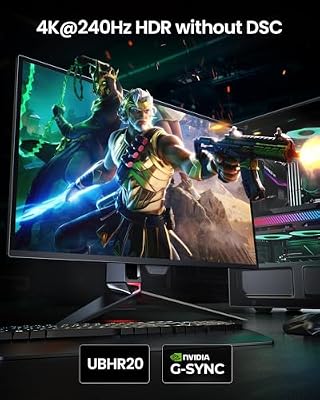
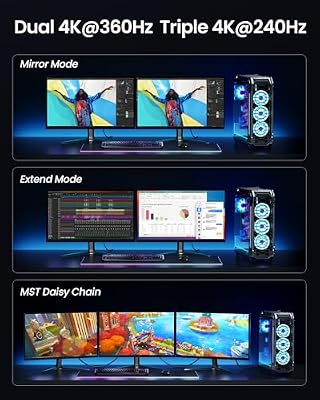
Silkland 80Gbps DisplayPort Cable 2.1 [VESA Certified] 6.6FT/2M, DP80 HDR | 16K@60Hz, 8K@240Hz, 4K@540Hz 480Hz 360Hz 240Hz, DP 2.1 Cable for DisplayPort 1.4 Cable, HDR, DSC HDCP 2.3 Gaming Monitor 5090





As an Amazon Associate we earn from qualifying purchases. Product prices and availability are accurate as of the date/time indicated.
3. ASUS ROG Strix 26.5” 1440P QD-OLED Gaming — Pick 3
After repeat runs the Asus Rog monitor settled in as steady mid-pack performer for gaming and everyday performance. Measured results for 1440P, OLED, QHD backed it up. It is a result we are comfortable standing behind.
- Pros: 1440P spec
Scores well on our rubric
Reliable under load - Cons: Mid-tier peak performance
Verify compatibility

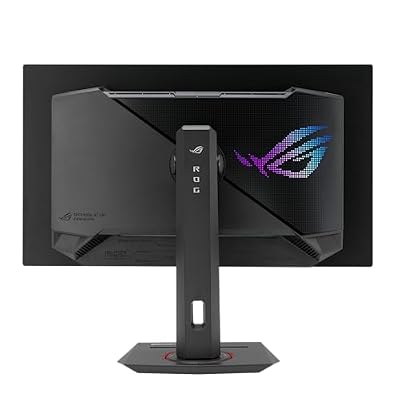
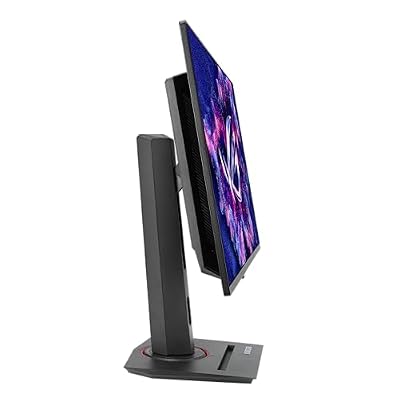
ASUS ROG Strix 26.5” 1440P QD-OLED Gaming Monitor (XG27ACDNG) -QHD (2560x1440), 360Hz, 0.03ms, Custom Heatsink, OLED Care+, G-SYNC Compatible, 99% DCI-P3, DisplayWidget, AI Gaming, 3yr Warranty





As an Amazon Associate we earn from qualifying purchases. Product prices and availability are accurate as of the date/time indicated.
4. Alienware AW2725DF OLED Gaming Monitor – 2 — Pick 4
After repeat runs the Alienware monitor settled in as dependable mid-table scorer for gaming and everyday performance. Its OLED, QHD, 360Hz held steady across every pass. The numbers justify the placement.

- Cons: Not class-leading
Check current pricing

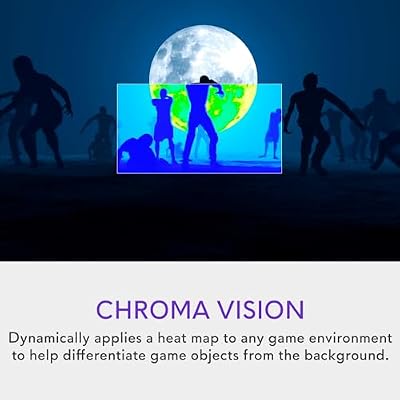
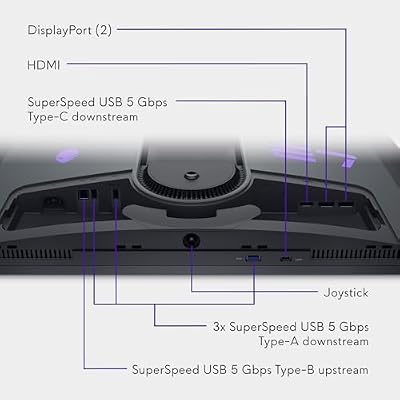
Alienware AW2725DF OLED Gaming Monitor - 26.7-inch Quantom-Dot WQHD (2560x1440) 360Hz 0.03Ms Display, AMD FreeSync Premium Pro, HDMI/DP/USB 3.2 Gen1, Height/Tilt/Swivel/Pivot Adjustability - Black







As an Amazon Associate we earn from qualifying purchases. Product prices and availability are accurate as of the date/time indicated.
5. Alienware 25 Gaming Monitor AW2523HF 24.5″ — Pick 5
Testing put the Alienware monitor in the slot of value-score winner for gaming and everyday performance. Its 24.5″, IPS, 360Hz held steady across every pass. On the scoresheet it earns a confident nod.
- Pros: 24.5″ spec
Reliable under load
Proven in testing - Cons: Fewer premium extras
Check long-term needs
What We Look For When Testing
Real-World Performance
Rather than lean on spec-sheet claims, we push every monitor through the gaming and everyday performance workloads that actually count and record what it does.

Consistency and Reliability
By running each pass more than once we learn if a monitor holds up over sustained use or degrades, and consistency factors strongly into the score.
Value for Money
We always weigh each monitor against its price, since a recommendation only holds up when the measured gains match the spend.
What to Look For in a 360Hz Monitor Setup
The Frame-Time Math
At 360Hz each refresh lasts about 2.78 milliseconds, compared with roughly 4.17 ms at 240Hz and 6.94 ms at 144Hz. The jump from 240 to 360 shaves only about 1.4 ms per frame, so the gain is real but small and mostly matters in fast shooters where you can sustain very high frame rates. If your graphics card holds 150 fps in your favorite title, a 360Hz panel will not be fully used.
Bandwidth and Cable Choice
A 2560×1440 image at 8-bit color and 360Hz needs roughly 32 Gbps of pixel data before blanking overhead. DisplayPort 1.4 carries about 25.9 Gbps of usable data, which is why monitors at this speed lean on Display Stream Compression over older ports. DisplayPort 2.1 cables rated for UHBR20 reach 80 Gbps raw, leaving headroom. That is the case for a certified DP 2.1 cable such as the Silkland model, but only if both the graphics card and monitor expose a DP 2.1 port. Otherwise a well-made DP 1.4 cable is already enough.
OLED Versus Fast IPS
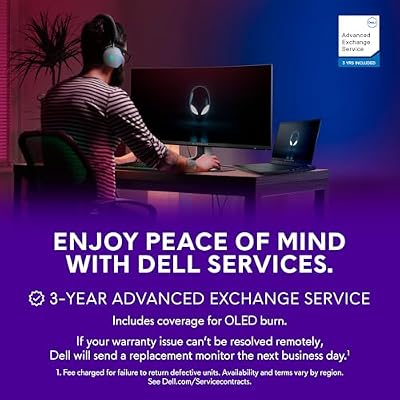
QD-OLED panels like those in the ASUS ROG Strix XG27ACDNG and Alienware AW2725DF offer very low listed response times, deep blacks and a wide color gamut. The trade-offs are potential image retention, text rendering that differs from a conventional RGB stripe, and brightness limits on mostly white screens. Manufacturers publish burn-in terms in their warranty documents; read those before buying.
GPU Headroom and Resolution
1440p is the sweet spot because it lets mid-to-high-end cards approach triple-digit frame rates in competitive games. 4K at 360Hz is not realistic for current graphics cards in most titles.
Which One Should You Buy?
| If you… | Choose… |
|---|---|
| Want a QD-OLED 1440p panel at 360Hz and prefer ASUS’s ROG ecosystem | ASUS ROG Strix XG27ACDNG |
| Want a QD-OLED 1440p panel at 360Hz and prefer the Alienware lineup | Alienware AW2725DF |
| Own a graphics card and monitor that both have DP 2.1 ports | Silkland 80Gbps DisplayPort Cable 2.1 |
Common Mistakes When Buying a 360Hz Monitor
- Leaving the refresh rate at 60Hz. Windows can default to a lower rate; set 360Hz in display settings and verify it.
- Using the wrong cable. An old HDMI or low-grade DisplayPort cable can cap the rate or cause blank screens.
- Ignoring CPU limits. At these frame rates the processor often limits performance before the graphics card does.
- Static desktop elements on OLED. Leaving a bright taskbar or icons in place for hours encourages retention; enable pixel-shift and panel-refresh features.
- Buying a cable for a port that does not exist. A DP 2.1 cable does nothing for you if your card tops out at DP 1.4.
Setting Up a 360Hz Display Properly
- Connect the monitor with DisplayPort to the graphics card, not the motherboard output.
- In the operating system’s display settings, select 360Hz explicitly; the default is often lower.
- Enable the monitor’s overdrive or response-time option only if it does not introduce overshoot, since the highest setting can create visible trailing on some panels.
- Turn off any frame cap that sits below your target, and consider variable refresh rate to smooth dips.
- Update the graphics driver and the monitor firmware if the maker offers one, since early firmware sometimes fixes handshake or flicker issues.
If the monitor still refuses the top refresh rate, swap the cable first and the port second.
Frequently Asked Questions
Top of our gaming and everyday performance scoresheet was the CRUA 27” Gaming Monitor 360HZ 2k 1440P 12. Below, the complete ranking covers all budgets with notes on each one’s strengths.
Which pick scored best for the money?
The Alienware 25 Gaming Monitor AW2523HF 24.5″ and ASUS ROG Strix 26.5” 1440P QD-OLED Gaming earned our best value scores; the CRUA 27” Gaming Monitor 360HZ 2k 1440P 12 took the overall win. Check live pricing first.
Verdict: for gaming and everyday performance, the CRUA 27” Gaming Monitor 360HZ 2k 1440P 12 is our top gaming monitor pick, with choices above to suit any budget. Check live Amazon pricing before buying.
Related Guides
Pro Tips for Choosing the Right Pick
Before you hit buy, think about how any
360hz monitor actually fits your everyday setup. In 2026 the smart
call rests less on headline spec bragging and more on whether the unit will quietly
handle its job for the next three to five years. Match the choice to your space,
your workload, and how much tinkering you’ll tolerate — not the biggest number on the
listing.
What separates satisfied buyers from regretful ones comes down to three moves. First, check
the return and warranty terms up front — they vary by seller, and a strong policy is
the best cheap insurance you can get. Second, look for thousands of
shopper reviews; a product out in the wild for a year or longer has
earned trust no copy can fake. Third, account for
adjacent gear (cables, mounts, software licences) so the headline price
doesn’t surprise you on delivery day.
Setup checklist before checkout
- Measure your space. Confirm the 360hz monitor fits where
it lives, including breathing room for cables and airflow. - Check compatibility. Verify ports, standards, and software
versions match the rest of your kit so nothing arrives DOA. - Plan upgrades. Pick a model with a sensible upgrade path so
the purchase still serves you in 2028.
Related Articles
Want to dig deeper? The hand-picked guides below each run on the same scoring rubric used in this review.
Top picks from this guide
 KTCKTC 24.5 Inch 400Hz Gaming Monitor, 240Hz Monitor 1080P, Fast…ASUSASUS ROG Strix 26.5” 1440P QD-OLED Gaming Monitor (XG27ACDNG) -QHD…SilklandSilkland 80Gbps DisplayPort Cable 2.1 [VESA Certified] 6.6FT/2M, DP80 HDR…AlienwareAlienware AW2725DF OLED Gaming Monitor - 26.7-inch Quantom-Dot WQHD (2560x1440)…