⚡ Key Takeaways
- Watch: Wired vs Wireless Gaming Mouse: Which Is Better? — Video Review
- The Old Wireless Reputation
- How Modern Wireless Compares
- Where Wired Still Wins
- Battery Life Realities
- Weight and Feel Considerations
- Which Should You Choose
- Sensor and Shape Matter More Than Connection
- Top-Rated Picks
- Frequently Asked Questions
- Conclusion
- Related Articles
- Related Guides
- Wireless gaming mice earned a bad reputation years ago, and it was deserved at the time.
- Today's premium wireless gaming mice match wired performance in the metrics that matter.
- For the same performance level, a wired mouse typically costs less than its wireless equivalent because there's no battery, charging circuitry, or wireless hardware to pay for.
- Battery anxiety is the main hesitation people have about wireless, but modern mice have largely solved it.
The question of wired vs wireless gaming mouse has shifted dramatically in recent years, and the old assumptions no longer hold. For a long time, conventional wisdom said wired was the only serious choice for gaming because wireless meant lag, dropouts, and dead batteries at the worst moment. That was true once, but modern wireless technology has closed the gap so completely that top professionals now compete with wireless mice. Yet wired mice haven’t disappeared, and they still offer genuine advantages in cost and simplicity. The right choice depends on your priorities, your budget, and how much you value freedom from cable drag. In this guide I’ll explain how far wireless has come, where wired still wins, and how to decide which belongs in your hand.
As an Amazon Associate we earn from qualifying purchases at no extra cost to you.


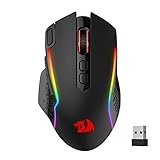


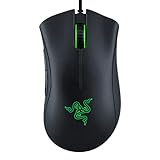

⚡ Save on Your Next PC — Amazon Prime
Prime members get fast free shipping on the systems above, plus early access to Prime Day & Black Friday PC deals. New members get a 30-day free trial.
Watch: Wired vs Wireless Gaming Mouse: Which Is Better? — Video Review
The Old Wireless Reputation
Wireless gaming mice earned a bad reputation years ago, and it was deserved at the time. Early wireless mice suffered from noticeable input lag, where your movements reached the screen a fraction too late, and from connection dropouts that could cost you a crucial moment. Battery life was poor, and the added weight of batteries made them clumsy. Competitive gamers rightly avoided them.
That history still colors people’s opinions, but the technology has transformed. Modern wireless gaming mice use dedicated low-latency wireless connections that are, for all practical purposes, indistinguishable from wired in responsiveness. The lag that plagued old wireless mice has been engineered away, and dropouts on a quality modern mouse are essentially nonexistent during gaming.
How Modern Wireless Compares
Today’s premium wireless gaming mice match wired performance in the metrics that matter. The latency difference is so small it’s imperceptible in actual play, and the reliability is rock solid. This is why you’ll find wireless mice in the hands of top competitive players who would never tolerate a disadvantage. The wireless penalty that once existed has effectively vanished at the high end.
| Factor | Wired | Wireless (Modern) |
|---|---|---|
| Latency | Minimal | Minimal (imperceptible gap) |
| Reliability | Excellent | Excellent |
| Freedom of movement | Limited by cable | Full freedom |
| Battery | None needed | Recharge required |
| Price | Lower | Higher |
| Weight | Cable adds drag | No cable drag |
The biggest practical benefit of wireless is freedom from cable drag, the subtle resistance and snagging that a cord introduces as you move the mouse. A good cable management arm helps wired mice, but wireless eliminates the problem entirely, giving a clean, unencumbered glide that many players find liberating once they experience it.
Where Wired Still Wins
Wired mice retain real advantages. The most obvious is cost. For the same performance level, a wired mouse typically costs less than its wireless equivalent because there’s no battery, charging circuitry, or wireless hardware to pay for. If budget is your priority, wired delivers more performance per dollar.
Wired mice also never need charging. You plug in once and never think about battery life again, whereas even a long-lasting wireless mouse eventually needs a recharge. For some people the simplicity of never managing a battery outweighs the freedom of going wireless. Wired mice are also slightly lighter in raw terms since they carry no battery, though the cable’s drag offsets that advantage in feel. Either pairs well with a quality mousepad for a smooth glide.
Battery Life Realities
Battery anxiety is the main hesitation people have about wireless, but modern mice have largely solved it. Many premium wireless gaming mice last many days or even weeks of regular use on a single charge, and most can be used while charging via a cable, effectively becoming wired if the battery runs low mid-session. Some even support charging through a special mousepad that tops up the battery as you play.
In practice, building a simple habit of charging your mouse overnight or while you’re away from the desk eliminates battery worry entirely. The fear of a dead mouse at a critical moment is largely a relic of older technology. With a quality modern wireless mouse and a basic charging routine, you’ll rarely if ever be caught off guard. The same convenience principle applies across your setup, from your gaming keyboard to your peripherals.
Weight and Feel Considerations
Mouse weight matters enormously for competitive play, and this is an area where the wired versus wireless calculation gets interesting. Wireless mice carry a battery, which adds weight, but manufacturers have made batteries lighter and the mice themselves lighter to compensate. Meanwhile, a wired mouse’s cable adds drag that affects the effective feel of the weight as you move.
The result is that the lightest competitive mice today are often wireless, because eliminating the cable drag matters more than the small battery weight. If you prioritize a featherlight, unencumbered feel, modern wireless ultralight mice are hard to beat. If you don’t mind a cable and want to save money, a wired mouse delivers excellent feel at a lower price. To compare specific models, check our roundup of the best gaming mice reviewed.
Which Should You Choose
Choose wireless if you value freedom from cable drag, want the cleanest possible glide, and don’t mind paying more and charging occasionally. Modern wireless mice match wired performance, so you sacrifice nothing in responsiveness, and many serious competitors now prefer them. The freedom and lack of cable snag is genuinely liberating once you experience it.
Choose wired if budget is your priority, you want to never think about charging, or you simply prefer the plug-and-play simplicity. A quality wired mouse delivers top-tier performance for less money. Both options serve competitive and casual gamers well today, so the choice comes down to whether you’ll pay extra for cable-free freedom or prefer the value and simplicity of a cord. It also pairs nicely with streaming gear like a streaming microphone for a clean desk.
Sensor and Shape Matter More Than Connection
It’s worth stepping back from the wired versus wireless question to remember that the connection type is rarely the most important factor in how a mouse performs for you. The sensor inside the mouse, which tracks your movement, matters enormously, and modern gaming sensors in both wired and wireless mice are excellent. A great sensor in a wired mouse and the same sensor in a wireless mouse will track identically; the connection doesn’t change tracking quality.
Even more important is the shape and size of the mouse relative to your hand and grip style. A mouse that fits your hand and grip well will feel better and let you aim more consistently than a poorly fitting one, regardless of whether it has a cable. Before agonizing over wired versus wireless, make sure the mouse suits your hand size and the way you grip, whether palm, claw, or fingertip. Get the shape and sensor right first, then decide on the connection based on your budget and how much you value cable-free freedom. A well-fitting mouse with a quality sensor will serve you far better than the wrong shape with your preferred connection type, so prioritize fit above all.
Top-Rated Picks

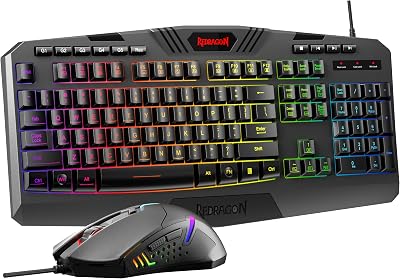


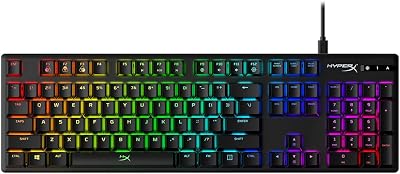
| Product | Brand | Rating | Reviews | Price |
|---|---|---|---|---|
| Redragon K552 Mechanical Gaming Keyboard, 87-Key Comp… | REDRAGON | ★ 4.5 | 51.5k | Check on Amazon |
| Redragon S101-3 PRO Gaming Keyboard and Mouse, RGB Ba… | REDRAGON | ★ 4.5 | 51.3k | Check on Amazon |
| Redragon S101M-KS Gaming Keyboard and Mouse Wireless … | REDRAGON | ★ 4.5 | 51.3k | Check on Amazon |
| HyperX Alloy Origins 60 – Mechanical Gaming Keyboard,… | HyperX | ★ 4.7 | 15.1k | Check on Amazon |
| HyperX Alloy Origins – Mechanical Gaming Keyboard, So… | HyperX | ★ 4.7 | 15.1k | Check on Amazon |
Frequently Asked Questions
Is a wireless gaming mouse as fast as a wired one? Yes, modern premium wireless gaming mice have latency so low it’s imperceptible in actual play. The lag that plagued old wireless mice has been engineered away, which is why top professionals now use wireless.
Do wireless gaming mice have lag? Quality modern ones effectively do not. Their dedicated low-latency connections are indistinguishable from wired in responsiveness. Cheap wireless mice may still lag, so stick to reputable gaming models.
How long do wireless gaming mouse batteries last? Many premium models last days or weeks of regular use per charge, and most can be used while charging via cable. A simple overnight charging habit eliminates battery worry.
Are wired mice cheaper than wireless? Generally yes. For the same performance level, wired mice cost less because they lack batteries and wireless hardware. They also never need charging, offering plug-and-play simplicity.
Which is lighter, wired or wireless? The lightest competitive mice today are often wireless, because eliminating cable drag matters more than the small battery weight. A wired mouse’s cable adds drag that affects the effective feel.
Conclusion
The wired versus wireless gaming mouse debate is no longer about performance, because modern wireless has closed the gap entirely. It now comes down to whether you value cable-free freedom and the cleanest glide enough to pay more and charge occasionally, or prefer the lower cost and never-charge simplicity of wired. Both serve gamers excellently today, so choose based on your budget and how much you value freedom from the cord.
Related: Best Gaming Monitors to Watch the 2026 World Cup and Game in 4K
Top picks from this guide
 RedragonRedragon S101-3 PRO Gaming Keyboard and Mouse, RGB Backlit Programmable…$40 \xc2\xb7 99/100
 RedragonRedragon S101M-KS Gaming Keyboard and Mouse Wireless with Tri-Mode, RGB…$55 \xc2\xb7 99/100
 RazerRazer Basilisk V3 Customizable RGB Wired Ergonomic Gaming Mouse, Black…$35 \xc2\xb7 99/100
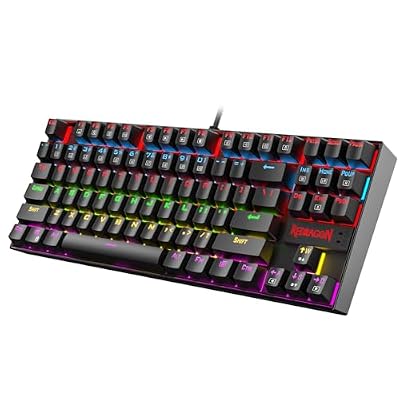 RedragonRedragon K552 Mechanical Keyboard, LED Gaming Keyboard with Red Switches…$37 \xc2\xb7 99/100