🛒 Best Price Today on Amazon
Prime members get fast, free shipping on everything above, plus member-only deals. New members get a 30-day free trial — cancel anytime.
- Quick comparison at a glance
- Budget tier: Linux pocket devices for 8-bit, 16-bit and PS1
- Mid-range tier: Android handhelds
- Premium tier: AYN Odin 2 Portal and Odin 3
- Atari and “all-in-one” retro options
- Which emulation handheld should you pick?
- What to look at before buying
- Alternatives to dedicated emulation handhelds
- Frequently Asked Questions
The best retro and emulation handheld depends on how far back or forward you want to play: a Linux pocket device is enough for anything up to the PlayStation 1 era, a mid-range Android handheld such as the Retroid Pocket 6 covers PS2, GameCube and many Switch-era needs with caveats, and a premium device such as the AYN Odin 3 is for players who want the most headroom. This guide sorts the 2026 field by budget tier, using maker-listed specs and what reviewers report.
One note before the list: emulators are legal software, but game files are not automatically free to use. Play games you legally own, dump them from your own cartridges and discs where the law in your country allows it, and avoid downloading ROM packs. Handheld makers generally ship devices without games for this reason.

RG43H Pro Retro Handheld Game Console,Dual Game System,Powerful RK3562 Chip | 4.3 Inch IPS Screen Retro Gaming Console,Vibration Motor,HDMI TV Output,4000mAh Battery-64GB Black
Included for 'Best Retro and Emulation Handhelds in 2026' because the listing specifies Dual Game System and Powerful RK3562 Chip, details this guide uses to compare options.
View on Amazon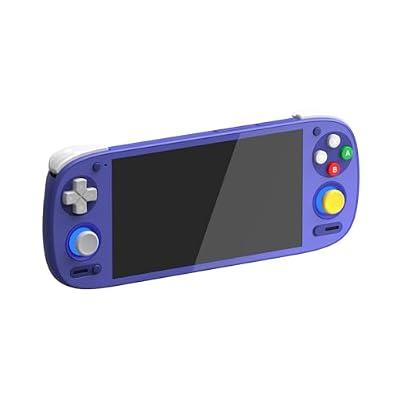
Retroid Pocket 5 Retro Handheld Game Console, 8+128G, 5.5-inch touchscreen 1080p Portable Android Gaming Handheld with Adreno 650 GPU & WiFi 6/BT5.1, Snapdragon 865 Processor, Android 13 (GC)
Included for 'Best Retro and Emulation Handhelds in 2026' because the listing specifies 8+128G and Snapdragon 865 Processor, details this guide uses to compare options.
View on Amazon
RF40H Handheld Game Console, 4.0" Retro Gaming Console Preloaded 20,000+ Classic Games, Open Source Linux System, Support WiFi Online Play, Portable Pocket Hand Held Video Game (Black)
Included for 'Best Retro and Emulation Handhelds in 2026' because the listing specifies 4.0" Retro Gaming Console Preloaded 20 and 000+ Classic Games, details this guide uses to compare options.
View on Amazon
POWERNEWS 512GB RetroBat Game System for Handheld Consoles, Windows OS, Batocera System Emulator for PC Laptop, Retro Game Card for MSI Claw, Legion Go, ROG Ally
Included for 'Best Retro and Emulation Handhelds in 2026' because the listing specifies Windows OS and Batocera System Emulator for PC Laptop, details this guide uses to compare options.
View on AmazonQuick comparison at a glance
| Device | Tier | Best for | Stated hardware | Main limit |
|---|---|---|---|---|
| Miyoo Mini Plus and similar Linux pocket devices | Budget | 8-bit and 16-bit systems, Game Boy, PS1 | Small 4:3 screen, Linux with a custom launcher | No real support for 3D-era consoles beyond PS1 |
| Anbernic RG35XX family | Budget | Retro classics in a Game Boy Advance-style shell | Linux firmware, lightweight emulators | Not built for PSP-and-up performance |
| Anbernic RG406V | Budget to mid-range | Vertical, Game Boy-style play with a 4:3 screen | Android, 4-inch 4:3 display per the maker | Chip limits heavier systems |
| Anbernic RG556 | Mid-range | Android handheld with a large bright screen | Android, roughly 5.5-inch 1080p AMOLED per the maker | Weaker chip than flagship Snapdragon handhelds |
| Retroid Pocket 6 | Mid-range | PS2, GameCube, Wii, many Switch titles | Snapdragon 8 Gen 2, 5.5-inch 120Hz AMOLED, up to 12GB RAM per reviewers | Heaviest Switch and PS2 games still need tuning |
| AYN Odin 2 Portal | Premium | Larger 7-inch screen, strong Android performance | Snapdragon 8 Gen 2 class, 7-inch 1080p display | Larger and heavier than pocket-size rivals |
| AYN Odin 3 | Premium | Maximum performance headroom | Newer Snapdragon flagship-class chip, up to 24GB RAM per reviewers | Emulator support for the newest chips can lag |
Budget tier: Linux pocket devices for 8-bit, 16-bit and PS1
Devices such as the Miyoo Mini Plus and the Anbernic RG35XX range run a Linux firmware with a menu built around launching emulators quickly. Reviewers consistently describe them as the simplest way to get started: they boot fast, run on modest hardware, and are well suited to NES, SNES, Mega Drive, Game Boy, Game Boy Advance and PlayStation 1.
The trade-off is the ceiling. These devices are not designed for Dreamcast, PSP or PS2, and their custom firmware means you rely on community builds for updates. For many players who only want classic libraries, that ceiling is not a problem, and the pocketable size and long battery life are the main appeal.
- Pick one if: you mainly play older cartridges and want a low-cost, low-fuss device.
- Skip if: you want PSP, GameCube or PS2 titles.
Mid-range tier: Android handhelds
Retroid Pocket 6
Reviewers widely call the Retroid Pocket 6 the best all-round pick in the mid-range tier. Retroid lists a Snapdragon 8 Gen 2 chip, and reviewers describe a 5.5-inch 120Hz AMOLED display and up to 12GB of RAM. In practice that means smooth play for everything through PS1, Dreamcast, PSP and GameCube, strong results for most PS2 titles, and playable results for a large part of the Switch library depending on the game and emulator settings. Specs such as battery capacity vary between listings, so read the maker’s page for the exact variant you are buying.
Anbernic RG556 and RG406V
Anbernic sells Android handhelds at lower stated performance than the Pocket 6. The RG556 is a horizontal handheld with a large 1080p AMOLED display per the maker, which suits 16:9 and handheld-era libraries. The RG406V is a vertical, Game Boy-style design with a 4:3 display that fits older systems naturally. Reviewers describe both as capable of PS1, PSP and Dreamcast, with PS2 and GameCube working in many titles but with less headroom than Snapdragon 8-class devices.
- Pick Retroid Pocket 6 if: you want one device for PS2 and GameCube and do not want to spend flagship money.
- Pick Anbernic RG556 if: you care about screen quality at a lower cost and mostly play retro and PSP libraries.
- Pick RG406V if: you prefer a vertical form factor for Game Boy, SNES and similar systems.
Premium tier: AYN Odin 2 Portal and Odin 3
The AYN Odin 2 Portal sits at the premium end with a 7-inch 1080p display, which makes it closer to a small tablet than a pocket device. The AYN Odin 3 moves to a newer Snapdragon flagship-class chip, with configurations that reviewers list up to 24GB of RAM, aimed at players who want the most headroom for Switch and PS2 emulation. One review notes that emulator support for brand-new chips can take time to mature, so the extra power does not always translate to better results on day one.
For most people the extra cost over a Retroid Pocket 6 buys comfort and future-proofing rather than a different library. Think of it as headroom for demanding titles, higher internal resolution and fewer settings compromises.
Atari and “all-in-one” retro options
If you are searching for the best Atari emulator console, the practical answer is that any Android handheld in this guide can run Atari 2600, 5200, 7800 and Lynx emulation through RetroArch or standalone apps, so you do not need a dedicated Atari device. Linux pocket devices also include Atari cores by default in most firmware builds. If you prefer official hardware, Atari sells its own 2600-branded console that plays cartridges, but that is a different purchase than an emulation handheld.
For a single all-in-one device that spans Atari, Nintendo, Sega and Sony, the mid-range Android handhelds are the sweet spot: they cover far more systems than Linux pocket devices and avoid the cost of premium hardware. If your library already consists of physical cartridges, hardware built around original game media, such as the Analogue Pocket for Game Boy-family cartridges or Evercade for licensed cartridge collections, avoids the legal and setup questions of emulators entirely.
Which emulation handheld should you pick?
| Pick this if… | Choose | Why |
|---|---|---|
| You only play NES, SNES, Genesis, Game Boy, GBA or PS1 | Miyoo Mini Plus or Anbernic RG35XX family | Budget price, simple firmware, small size |
| You like a vertical, Game Boy-style body | Anbernic RG406V | 4:3 screen that matches older systems |
| You want a big bright screen without paying flagship money | Anbernic RG556 | 1080p AMOLED per the maker, Android flexibility |
| You want PS2, GameCube and many Switch games in one pocketable device | Retroid Pocket 6 | Snapdragon 8 Gen 2 and a high-refresh AMOLED screen |
| You want a larger screen | AYN Odin 2 Portal | 7-inch 1080p display |
| You want maximum performance headroom | AYN Odin 3 | Newer chip, more RAM options |
What to look at before buying
- Screen shape. 4:3 screens fit 8-bit, 16-bit and PS1 games without borders; 16:9 screens suit PSP, Dreamcast widescreen patches and Switch.
- Controls. Check whether the device has analog sticks, a D-pad you like, and triggers. PS2 and GameCube need sticks and analog triggers; Game Boy-style play does not.
- Operating system. Android devices offer more emulator choice and streaming apps. Linux devices are simpler but narrower.
- Cooling and battery. Heavier emulation generates heat and drains the battery faster, so battery life varies widely by system and settings.
- Storage. Most devices use microSD cards. Larger libraries, especially disc-based systems, need more space.
- Software support. Retroid and AYN maintain active communities, which helps with emulator settings and firmware updates.
Alternatives to dedicated emulation handhelds
- Valve Steam Deck: a full PC handheld that runs emulators through desktop software. It handles heavy emulation well but is larger and heavier than pocket devices.
- Windows handhelds such as the ASUS ROG Ally family and Lenovo Legion Go: strong for emulation and PC games, with shorter battery life.
- Your phone with a controller clip: a flexible no-extra-hardware option for lighter systems.
Frequently Asked Questions
What is the best retro handheld for a beginner?
A budget Linux device such as the Miyoo Mini Plus or an Anbernic RG35XX model is the easiest entry point, since the firmware is built around fast launching and requires little setup. If you want more systems later, a mid-range Android device like the Retroid Pocket 6 gives more room to grow.
Can these handhelds play PS2 and Switch games?
Mid-range and premium Android handhelds with Snapdragon 8-class chips can run many PS2 and some Switch titles, but results vary by game and emulator version. Budget Linux devices cannot handle either. Compatibility lists from the emulator projects are the most reliable guide for a specific game.
Is emulation legal?
Emulator software itself is generally legal. Using game files you do not own is a different matter, and the rules differ by country. Stick to games you legally own and avoid downloading ROM collections.
Do I need Android or Linux?
Choose Linux if you want a simple, fast-booting device for classic systems. Choose Android if you want PS2, GameCube, Switch or Dreamcast, or if you also want streaming apps and mobile games on the same device.
How much storage do I need?
Cartridge systems are tiny, so even a small microSD card holds thousands of games. Disc-based systems such as PS2, GameCube and PSP take gigabytes per game, so plan for a larger card if those are your focus.
Is it worth buying the Odin 3 over the Retroid Pocket 6?
Only if you want the extra performance headroom, larger RAM options and future-proofing. For most libraries the Pocket 6 already covers the main systems, and reviewers note that newest-chip emulator support can lag behind.