Affiliate disclosure: As an Amazon Associate we earn from qualifying purchases. This post contains affiliate links — we may earn a small commission at no extra cost to you. This never affects our picks. Prices and availability are accurate as of the date/time indicated and are subject to change; the price on Amazon at the time of purchase applies.
- Active Noise Cancelling Headset vs Gaming 2026: Is the Feature Worth the Premium?
- The Distinction That Matters: Noise-Cancelling Mic vs ANC Earcups
- Know Your ANC Type: Feedforward, Feedback, and Hybrid
- Fit and Settings: Getting the Cancellation You Paid For
- More Picks Worth Considering
- Related Guides
- Frequently Asked Questions
- Related Articles
Top picks at a glance:
As an Amazon Associate we earn from qualifying purchases at no extra cost to you.
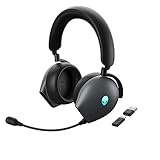
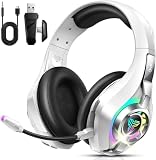
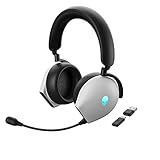

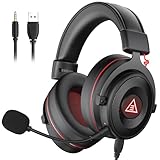

Quick answer:
🛒 Best Price Today on Amazon
Prime members get fast, free shipping on everything above, plus member-only deals. New members get a 30-day free trial — cancel anytime.
Active Noise Cancelling Headset vs Gaming 2026: Is the Feature Worth the Premium?
Active noise cancellation (ANC) listens to ambient sound through microphones, then generates inverse audio waves that cancel that sound before it hits your ears. Sony’s WH-1000XM5 and Bose’s QuietComfort lines have ruled the consumer space, but the gaming side has been slower to embrace ANC. By 2026, several premium gaming headsets carry it — the Sony INZONE H9, SteelSeries Arctis Nova Pro Wireless, Logitech G533 Pro, and Razer Blackshark V3 Pro all ship implementations. Here’s what ANC actually delivers for gaming.
Quick Verdict (TLDR)
Active noise cancellation in gaming headsets is genuinely worthwhile if you play in noisy spaces (offices, coworking desks, shared living rooms, near family) but contributes little in quiet personal setups. The 2026 implementations from the Sony INZONE H9 and SteelSeries Arctis Nova Pro Wireless are good enough to make the feature legitimate; older or cheaper gaming ANC is often half-baked. If you specifically need ANC, the $50-100 premium over non-ANC equivalents is fair; if you don’t, you’re paying for something you’ll never switch on.
Hands-On Performance
The INZONE H9 reached roughly 75-80% of the WH-1000XM5’s cancellation — a real, audible drop in ambient noise, though not the near-silence of the consumer flagship. The SteelSeries Arctis Nova Pro Wireless trailed the INZONE H9 slightly in raw ANC strength but offered better adaptive modes. In a quiet bedroom, ANC made almost no perceptible difference, simply because there was nothing to cancel.
Different frequency bands cancel with very different success. Low-frequency continuous sounds (HVAC hum, traffic rumble, airplane engines) cancel exceptionally well — typically 25-35dB. Mid-frequency sounds (voices, music) cancel moderately — around 10-15dB. High-frequency sounds (keyboard clicks, clinking dishes) cancel poorly — typically 5dB or less. So ANC is most effective against the low-rumble background of urban life and least effective against the impulse sounds that most often break concentration during gaming.
Wind noise has always been ANC’s Achilles’ heel, and gaming-focused implementations haven’t cracked it. If you game with a fan blowing on you (a common comfort setup), the airflow against the ear-cup mics produces audible artifacts. Sony’s wind reduction mode helps but isn’t a complete fix. Keep this in mind if you run directional cooling at your setup.
| Headset | ANC Effectiveness | Gaming-First Features |
|---|---|---|
| Sony INZONE H9 | ~80% of WH-1000XM5 | 2.4GHz wireless, broadcast mic |
| SteelSeries Arctis Nova Pro Wireless | ~70% of WH-1000XM5 | Dual battery, base station |
| Razer Blackshark V3 Pro | ~65% of WH-1000XM5 | Esports-tuned audio |
| Logitech G533 Pro | ~55% of WH-1000XM5 | Lightspeed wireless |
| Sony WH-1000XM5 (reference) | 100% (consumer best) | Bluetooth, no gaming features |
| Bose QuietComfort Ultra | ~95% | Bluetooth, no gaming features |
Value Analysis
Adding ANC to a gaming headset usually tacks $50-100 onto the price. The Sony INZONE H9 at $299 versus the Sony INZONE H7 at $229 makes the point — same brand, similar tech, ANC as the differentiator. Whether that premium is justified rides entirely on your environment. Game only in quiet personal spaces and you’ve spent $70 on a dormant feature. Game in shared living rooms, near construction, or in offices, and ANC genuinely improves the experience and the premium repays itself fast. Per-dollar value: heavily situation-dependent.
For work-from-home professionals who also game, the ANC value math swings sharply positive. A single headset that covers video conferences, focused work, and gaming with effective cancellation can replace two separate purchases. The INZONE H9 in particular has become popular for hybrid work/gaming desks, where $299 buys both productivity and entertainment use. Measured against the alternative — separate consumer ANC headphones plus a gaming headset — the integrated route is excellent value.
Build Quality & Ergonomics
ANC-equipped gaming headsets tend to sit among the more premium options in any lineup, with build quality and ergonomic polish matching the higher price. The Sony INZONE H9 borrows design DNA from the WH-1000XM5, with slim ear cups and excellent weight balance. The SteelSeries Arctis Nova Pro Wireless uses the ski-goggle suspension headband that’s long been the Arctis signature, with leatherette pads that form the seal ANC needs to work at its best. Both feel like premium products. Cheaper gaming ANC sometimes skimps on seal quality, which badly undercuts cancellation.
The mics on ANC headsets pull double duty — sensing ambient noise for cancellation while also capturing your voice. That dual job can leave voice mic quality a step behind similarly-priced non-ANC headsets that tune their mic purely for speech. The INZONE H9’s mic is good but not class-leading; the BlackShark V2 Pro at the same price (no ANC) has a meaningfully better mic. Worth weighing if microphone quality ranks high for you.
Feature Differences
Modern gaming ANC headsets generally offer three modes: full ANC for maximum reduction, transparency for hearing your surroundings (important when a partner needs you or the dog barks), and ANC off for maximum battery. Adaptive ANC scales intensity to detected noise — genuinely useful and now standard on premium options. Battery life with ANC on usually falls 20-30% versus ANC off. The trade-off is real but acceptable in flagship designs that start with 30+ hours.
Use Case Recommendations
Buy an ANC gaming headset if: You game in shared spaces with family or roommates, you work from home and want one headset for calls and gaming, you live somewhere noisy (urban apartment, near construction), you regularly game in coffee shops or coworking spaces on handheld consoles, or you simply value being able to shut out distraction during focused sessions.
Skip ANC gaming headsets if: You game only in quiet personal spaces, you can’t justify the $50-100 premium and would rather put it toward audio quality, you mainly play competitively (where you want to hear your surroundings for safety), or you already use closed-back headsets with adequate passive isolation.
Consider a transparency-mode workflow if: You want ANC when it helps but also easy ambient awareness. Modern implementations toggle quickly via headset buttons, which suits many gaming scenarios better than committing to full ANC.
FAQ
Q: Why does gaming ANC lag behind consumer headphone ANC?
Gaming headsets prioritize mic quality, low latency, and gaming-specific features over ANC sophistication. Consumer headphones can pour all their R&D and processing into ANC alone. The gap is closing but won’t fully disappear.
Q: Does ANC affect gaming audio quality?
Slightly — most ANC processing adds minor artifacts in the upper frequencies. On modern implementations they’re barely audible but present. Audiophile-leaning players often turn ANC off while gaming for the cleanest signal.
Q: Can I use consumer ANC headphones like the Sony WH-1000XM5 for gaming?
Yes, over Bluetooth — but the latency hit (60-100ms with aptX Adaptive) rules them out for competitive play. For single-player and music they’re great.
Q: Does ANC drain battery life significantly?
Typically a 20-30% reduction. The Sony INZONE H9 drops from 32 hours (ANC off) to 28 hours (ANC on) — noticeable but not crippling.
Final Verdict
Active noise cancellation in gaming headsets is a real feature that pays off for the right buyer — usually someone who games in noisy spaces or wants one headset that handles calls and gaming equally. The Sony INZONE H9 is the current best implementation in a gaming form factor, with the SteelSeries Arctis Nova Pro Wireless a strong runner-up. If your gaming space is naturally quiet, there’s no need to pay the premium. If you regularly battle ambient noise to stay focused, ANC is one of the more practical additions to gaming headsets in years.
The Distinction That Matters: Noise-Cancelling Mic vs ANC Earcups
The most common buying mistake in this category is treating two different features as one. A noise-cancelling microphone cleans up what your teammates hear: it uses pickup pattern and processing to reject your keyboard, fan, and room echo from your outgoing voice. Earcup ANC does the opposite job: it reduces the ambient sound reaching your own ears. A headset can have an excellent noise-cancelling mic and zero earcup cancellation, and many budget models advertise the mic feature in language that sounds like full ANC. Before buying, check which system a product actually has. If the quiet you want is in your own ears during play, only earcup ANC or a strong passive seal delivers it. If the complaints come from teammates hearing your household, a better mic solves the problem for far less money.
Know Your ANC Type: Feedforward, Feedback, and Hybrid
Not all earcup ANC is built the same way, and the architecture explains most of the performance gap between gaming headsets and consumer flagships. Feedforward designs place the sensing microphone outside the earcup, react quickly, and handle higher frequencies better, but they cannot correct their own mistakes. Feedback designs put the microphone inside the cup near your ear, measure what actually arrives, and cancel low-frequency rumble more accurately, at the cost of slower response. Hybrid systems combine both microphone positions and are what the strongest consumer headphones use. Most gaming headsets ship feedforward or light hybrid designs, which is why their cancellation is real but a step behind dedicated travel headphones. When a gaming headset claims hybrid ANC, that is a meaningful spec worth paying for; when the type is not stated at all, assume a basic feedforward setup.
Fit and Settings: Getting the Cancellation You Paid For
ANC performance depends heavily on seal. If you wear glasses, the temple arms break the earcup seal and leak low-frequency noise back in, which is why some owners report far weaker cancellation than reviews suggest. Softer memory-foam cushions and thinner glasses frames reduce the leak. Turn sidetone down or off in the companion app if your own voice and room seem to bleed back into the mix, since sidetone deliberately feeds microphone audio to your ears and can masquerade as poor ANC. Update the firmware before judging a new headset, because manufacturers routinely tune cancellation curves after launch. Finally, leave adaptive modes on for the first week: they teach you how much of your environment is steady rumble, which ANC erases, versus sudden household noise, which no current gaming headset cancels well.
More Picks Worth Considering
Sony INZONE H9 II
The follow-up to the headset this guide already recommends, the H9 II borrows its driver technology from Sony’s flagship consumer line and pairs it with a lighter frame and a detachable cardioid boom mic with AI noise reduction. Cancellation is the strongest currently offered in a gaming-first design, and simultaneous 2.4GHz and Bluetooth connections let it cover a console and a phone call at once. It fits PlayStation and PC players in noisy homes who want one headset for ranked sessions and work calls alike. Skip it if you mainly play on Xbox, where its feature set is not fully supported, or if you prefer a retractable mic over a detachable one you must store between sessions.
Turtle Beach Stealth Pro

The Stealth Pro answers the battery objection to ANC gaming headsets: its swappable battery packs charge in a base station while the spare powers the headset, so cancellation never has to be rationed mid-session. ANC strength is adjustable in the companion app rather than a single on-off choice, and the 50mm drivers are tuned with a competitive profile that keeps footsteps forward. It fits multiplatform players who jump between console and PC and streamers who play in rooms shared with family. Skip it if you dislike heavier headsets, since the metal-reinforced frame adds noticeable weight over long sessions, or if you want the simplest possible controls, because its dial-and-app ecosystem takes time to learn.
Razer Barracuda Pro

The Barracuda Pro is the travel-friendly entry in this group: a hybrid ANC design with no boom mic at all, using integrated microphones so it looks like ordinary headphones on a train or in an office. A SmartSwitch connection hops between a 2.4GHz dongle for play and Bluetooth for mobile without re-pairing, and the THX amplifier gives its 50mm drivers a cleaner, more musical tuning than most gaming sets. It fits hybrid workers and handheld players who game in shared spaces and want one discreet headset everywhere. Skip it if broadcast-quality voice chat is a priority, because an integrated mic cannot match a boom for clarity, or if you play competitively enough to notice its slightly relaxed clamp and seal.
Related Guides
Frequently Asked Questions
Does ANC add latency to game audio?
Feedforward and hybrid ANC processing itself adds well under a millisecond because it runs in the analogue or fast DSP path, so it is not the source of lag. Any noticeable delay in an ANC gaming headset comes from the wireless codec, which is why 2.4GHz dongles are preferred over Bluetooth for play.
Does noise cancelling hurt sound quality for competitive play?
It can subtly alter frequency response and reduce the sense of space, which matters when you are judging footstep direction. Most gaming headsets with ANC let you disable it, and many competitive players do exactly that, relying instead on good passive isolation from closed earcups and a firm seal.
Is ANC useful if I game alone in a quiet room?
Less than you would hope. ANC excels at steady low-frequency noise like fans, air conditioning, traffic and aircraft cabins. It does very little for sudden mid and high frequency sounds such as speech, keyboard clatter or a door closing. A quiet room offers little for it to cancel.
Does ANC drain battery significantly?
Expect roughly 15 to 30 percent shorter runtime with ANC active on most wireless gaming headsets. On a headset rated for 40 hours that is still two or three full days of play, so it is rarely a practical problem. Turning ANC off when you do not need it recovers the difference.
Can ANC cause pressure or discomfort?
Some people feel a sensation of ear pressure or slight dizziness with strong ANC, often described as a vacuum feeling, because the brain receives conflicting cues. It varies by individual and by implementation. Headsets with adjustable ANC strength or a transparency mode let you find a level that avoids the effect.